

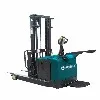

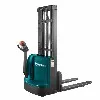
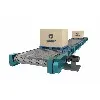

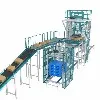

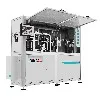

Production advantages
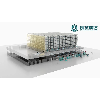
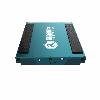
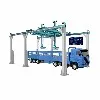
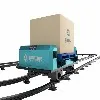
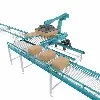
Fortucky has two 5G super factories and R&D centers, covering an area about 100,000 square meters. The 5G super factories is not only a technology center with advanced R&D strength and integration capabilities, but also is the largest manufacturing base for Fortucky, and is a beacon-like existence in the logistics industry.
Team building
We have a research and development team led by several doctors and masters, and have established extensive cooperative relations with many well-known domestic high-efficiency institutions, jointly undertaking a number of national, provincial and municipal scientific research projects. After nearly 20 years of development, the company has established an excellent research and development team integrating professional talents in mechanical design, electrical design, PLC control and software control.
R&D Strength
We attach great importance to the construction of the R&D system, establish a scientific research integration strategy, gather global scientific and technological R&D talents, and continuously increase R&D investment. The annual R&D investment is as high as 100 million CNY and we have obtained more than 300 intellectual property rights and established a complete intellectual property system.
Complete After-sales Service System
The Fortucky after-sales service system has the advantages of intelligent systems, flexible intelligent solutions and reliable operation systems. It can respond to needs quickly, including designing systems with complex requirements and making on-site adjustments when problems arise.
What Is Conveyor
A conveyor system is a common piece of mechanical handling equipment that moves materials from one location to another. Conveyors are especially useful in applications involving the transport of heavy or bulky materials.


Benefits of Conveyor
Time-saving
With conveyor belts installed, you’re able to ferry materials from A to B far quicker than using human labor.
Wage-saving
Conveyors replace human labor, which means you won’t need to pay staff to do the job that a conveyor belt will now perform in your business.
Stress-saving
Finally, with a conveyor system set up, it’ll run automatically and diligently for months and years into the future – saving you stress.
Types of Conveyors Worth Considering
There are several types of conveyors available, each designed to handle specific materials and suit different industrial applications. Here are some common types of conveyors worth considering:
Belt Conveyors
Belt conveyors are the most widely used type of conveyor system. They consist of a continuous belt made of various materials, such as rubber, PVC, or fabric, which rotates on pulleys to transport goods. Belt conveyors are versatile, reliable, and can handle both lightweight and heavy-duty loads.
Roller Conveyors
Roller conveyors use a series of rollers mounted on a frame to transport materials. They are ideal for handling flat-bottomed objects, such as boxes or crates. Roller conveyors can be powered or gravity-driven, offering flexibility and efficiency in material handling.
Screw Conveyors
Screw conveyors use a rotating helical screw blade to move bulk materials horizontally or at a slight incline. They are commonly used for handling various types of granular or powdered materials, such as grains, cement, or chemicals. Screw conveyors are compact, cost-effective, and can manage materials with different flow characteristics.
Chain Conveyors
Chain conveyors utilize chains as the conveying surface to transport heavy loads or objects with irregular shapes. They are commonly used in industries such as automotive, mining, or agriculture. Chain conveyors can be customized to handle specific loads and provide durability in demanding environments.
Pneumatic Conveyors
Pneumatic conveyors use air pressure or vacuum to transport materials through a pipeline. They are suitable for handling dry bulk materials, such as powders, grains, or pellets. Pneumatic conveyors offer flexibility in routing and can transport materials over long distances or in complex layouts.
Bucket Elevators
Bucket elevators are vertical conveyors that use buckets attached to a rotating chain or belt to move bulk materials vertically. They are commonly used in industries such as agriculture, mining, or food processing. Bucket elevators are efficient for lifting materials with a controlled discharge rate.
Vibrating Conveyors
Vibrating conveyors use vibratory motions to transport materials along a trough. They are often used for transferring bulk materials in a controlled manner, such as feeding materials into processing or packaging equipment. Vibrating conveyors can handle delicate or friable materials effectively.
Overhead Conveyors
Overhead conveyors are suspended from the ceiling or overhead structure, allowing for efficient use of space and the transportation of items along a fixed path. They are commonly used in assembly lines or storage systems, especially for hanging garments, automotive parts, or paint lines.
Conveyor systems work by using a combination of moving parts to transport materials from one place to another.
The parts of a conveyor system consist of the conveyor belt, rollers, pulleys, motors, drive belts, bearings, frames, and control systems. Here is a detailed explanation of how they work:
Motor
The motor is the driving force of the conveyor system. It converts electrical energy into mechanical energy, which powers the conveyor belt, chain, or rollers.
Depending on the system’s design and the load it needs to carry, motors can vary in size and power. Some systems use a single motor, while more complex systems might use multiple motors for different sections.
Belt or Chain
The belt or chain serves as the conveyor surface that carries materials from one point to another. The belt is typically made of durable materials like rubber, fabric, or metal, designed to handle various types of loads, from lightweight goods to heavy materials.
In some systems, a chain is used instead of a belt, particularly when dealing with heavier or bulkier items. The belt or chain runs in a continuous loop, driven by the motor, allowing for the constant movement of materials.
Rollers and Pulleys
Rollers and pulleys are crucial components that support and guide the belt or chain as it moves. Rollers are cylindrical tubes that the belt rests on, reducing friction and helping the belt move smoothly. These rollers can be positioned at regular intervals along the conveyor system.
Pulleys, on the other hand, are typically located at the ends of the conveyor system. They guide the belt or chain and help maintain tension, ensuring that the belt doesn’t slip or sag as it carries materials.
Frame
The frame is the structural support that holds the system together. It can be straight, curved, or inclined to fit the specific layout and purpose of the conveyor.
Sensors and Controls
Sensors detect items on the conveyor and send signals to control systems that adjust speed, direction, or sorting. This automation enhances efficiency and helps manage the flow of materials.
Working Mechanism
When the system is activated, the motor turns, moving the belt or chain and carrying materials along the path. The system can be configured to move items horizontally, vertically, or at an angle, depending on the needs of the operation.
Advanced Features
Some systems include automated sorting, speed control, and load balancing for improved performance. These features make conveyor systems highly efficient, reducing the need for manual labor and increasing productivity.
Safety Mechanisms
Conveyor systems include safety features like emergency stop buttons, guards, and alarms to protect workers and ensure safe operation.
Transportation Conveyor Designs
Belt: A belt conveyor uses a continuous belt to transport materials from one location to another. The belt is typically made of durable materials, such as rubber, PVC, or nylon, and is powered by a motorized pulley or drum. It is ideal for odd-shaped small cartons (less than 9 inches in length), soft goods, apparel, and trash lines. This type of conveyor is typically positioned at a decline, incline, or overhead transport where the belt provides secure product control.
Live Roller: This type consists of a series of rollers powered by a motor, which turns a continuous belt, chain, or V-band attached to the rollers. It is best used for handling heavy or bulky loads and items that vary in width, length, and weight. Live roller conveyors are suited for applications where items need to be accumulated, queued, or stopped and released at specific points along the conveyor path.
Motor Roller Driven: This adjustable-speed conveyor accommodates different types of items to optimize throughput. Conveyors can stop and start at specific points along the path, allowing for precise positioning of products or materials. They are great for lighter-duty applications, using low-voltage power to save on electrical draw, and utilize a motorized roller and o-ring bands to slave drive adjacent rollers. Common applications include assembly lines, transportation of goods between plant areas, and loading/unloading trucks.
Line-Shaft: These energy-efficient conveyors have a relatively simple design and use a minimal number of components. They are suitable for boxes, cartons, and totes requiring long-distance transport or movement up inclines. Line-shaft conveyors are configurable with a variety of roller and belt types to accommodate different materials and products. They are easy to maintain and repair, resulting in minimal downtime.
Conveyor Belts in Manufacturing Lines
A conveyor system has been a common and integral part of manufacturing lines for over 100 years and was a key innovation in Henry Ford’s T Model production line.
The applications of a conveyor system in manufacturing include use on car manufacturing lines, production lines for electrical goods, and food production lines for baked goods.
In this environment, a conveyor moves products from one point to the next. When a car is being assembled, it needs to go through multiple stages to become a finished product that can function for the customer. This way, a conveyor can speed up the time it takes to finish a product, as it moves the items to the next section in a constant stream.
Conveyors in Baggage Handling
If you’ve ever wondered how your parcels are handled in a distribution center, it’s highly likely that their delivery process involved being placed on a conveyor system.
The conveyor system can be designed to hold and move various weighted and sized items through to the correct department much faster than manual labor, thanks to a mostly automated process.
If you look inside any major parcel delivery company, you will see items being sorted into different sections, often using different conveyors. For instance, the sorting section for returned parcels may use powered roller conveyors, while the section for loading parcels onto lorries could utilize inclined belt conveyors.
Conveyors are also used for transporting goods and personal belongings through airports. Notice the number of conveyors at the bag check security section and in arrivals when passengers' bags come through on the baggage carousel.


Conveyors for Heavy Goods
When transporting large and heavy goods, it’s imperative that the conveyor can support the weight without being damaged by sharp edges or heavy loads.
For this purpose, a heavy-duty conveyor is required, which can come in various designs depending on the items that need to be moved. This allows for larger items to be transported through the process without damaging the material or the conveyor itself.
Heavy-duty conveyors can be built for a range of applications, from those designed to withstand chemical corrosion to those capable of transporting large amounts of coal.
As mentioned earlier, conveyors can be used to move vehicles on a production line, and these production lines often utilize heavy-duty conveyors since cars can be quite heavy.
Conveyors in Food and Beverage Production
With food and beverages being packaged on assembly lines at a rapid pace, conveyors can quickly move products from production to subsequent processes, such as cooling or distilling, all the way through to the final packaging stage.
An added benefit of using conveyors in food and beverage packaging is that they help ensure all packaged goods are handled hygienically. Not only do conveyors increase the output of packaged goods on their production lines, but they also ensure that foods and beverages meet hygiene requirements.
4 Important Things To Consider When Buying a Conveyor
Material
The first thing to consider when buying a conveyor is the type of material that you’ll be transporting. Different materials will require different types of conveyors. For example, if you’re transporting food items, you’ll need a conveyor made of food-grade material to comply with hygiene standards. If you’re dealing with heavy materials, you’ll need a conveyor to handle the weight. Consider the characteristics of your material, such as the shape, size, and weight, to determine the type of conveyor you need.
Speed
The speed at which you need to transport your material is another important factor to consider. If you need to transport light materials, a conveyor with a high speed might be ideal. However, a slower speed might be necessary to prevent damage if you’re working with delicate or fragile materials. The speed of the conveyor will also affect your productivity, so make sure to choose one that can meet your production demands.
Size and Layout
The size and layout of your workspace will play a role in determining the type of conveyor to choose. You might need a conveyor that can fit into tight spaces if you have a small workspace. On the other hand, if you have a larger workspace, you can opt for a longer conveyor system. You’ll also need to consider the layout of your workspace. If you have an irregular or complex layout, you might need a conveyor system to adapt to these conditions.
Maintenance and Repair
Your conveyor system will require regular maintenance and repairs to ensure optimal performance and longevity. When choosing a conveyor, consider its maintenance requirements, such as how easy it is to clean, lubricate, and replace parts. Some conveyors might require more maintenance than others, so choose one that suits your maintenance capabilities or consider outsourcing maintenance to an expert.
Important Tips for Proper Conveyor Installation and Maintenance
Try these conveyor installation and maintenance tips to keep your conveyor system working at peak performance:
Do Not Exceed Conveyor Capacity
Conveyors have two capacities. Exceeding either of these capacities could damage the conveyor and/or its drive:
Structural or static capacity (given in lbs. per linear foot)
Live load or drive capacity
Use a Chalk Line to Mark Center Lines During Conveyor Installation
Are you installing a long, straight conveyor unit? Use a chalk line to mark the center line of the conveyor. This is simply common sense. Keeping the conveyors aligned will help prevent out-of-square units and ensure that the product moves smoothly from one end of the conveyor to the other.
Lubricate Spring-Balanced Gate Springs
If you notice that your spring-balanced gates don’t lift as easily as they did when first installed, it is likely because the springs have become “dry.” Try lubricating them with the proper oil and see if this helps loosen them.
Keep Recommended Spare Parts on Hand
Maintain a stock of recommended spare parts as part of your preventive maintenance program. We can provide you with a list of recommended spare parts for that conveyor.
Lubricate Conveyor Reducers
A serious situation could arise if conveyor reducers are not maintained with the proper recommended oil. Using the wrong oil can cause the gears to wear out prematurely.
Lag Permanent Conveyors to the Floor
Lagging (bolting) conveyors to the floor not only keeps them aligned and working efficiently but also helps prevent accidents. A conveyor that isn’t properly lagged can topple over.
Properly Increase Conveyor Speed
Simply increasing the conveyor speed to move products faster isn’t sufficient. It is important to increase horsepower as well. As a rule, it will take twice as much horsepower to move a package at 130 FPM as it does at 65 FPM.
The group has more than 300 independent core intellectual property rights and over 1,000 global service cases. Its main customers include Huawei, Mengniu Dairy, CATL (Contemporary Artificial Intelligence), Mercedes-Benz, BMW, BYD, Tesla Inc, CNPC, Sinopec, PSBC, XCMG Group,Baowu Group and Zoomlion other industry leaders. Its projects cover fast-moving consumer goods, steel, silicon-based, construction machinery, automobiles, cold chain, electronics, pharmaceuticals, new energy, chemicals, agriculture and other fields.


Certifications


FAQ
We're professional conveyor manufacturers and suppliers in China, specialized in providing high quality customized service. We warmly welcome you to buy conveyor in stock here from our factory. Quality products and low price are available.
Roller Conveyor, Coil Conveyor, Telescopic Roller Conveyor