




Production advantages
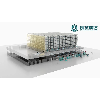
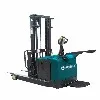
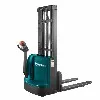
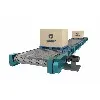
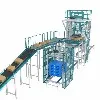
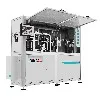
Fortucky has two 5G super factories and R&D centers, covering an area about 100,000 square meters. The 5G super factories is not only a technology center with advanced R&D strength and integration capabilities, but also is the largest manufacturing base for Fortucky, and is a beacon-like existence in the logistics industry.
Team building
We have a research and development team led by several doctors and masters, and have established extensive cooperative relations with many well-known domestic high-efficiency institutions, jointly undertaking a number of national, provincial and municipal scientific research projects. After nearly 20 years of development, the company has established an excellent research and development team integrating professional talents in mechanical design, electrical design, PLC control and software control.
R&D Strength
We attach great importance to the construction of the R&D system, establish a scientific research integration strategy, gather global scientific and technological R&D talents, and continuously increase R&D investment. The annual R&D investment is as high as 100 million CNY and we have obtained more than 300 intellectual property rights and established a complete intellectual property system.
Complete After-sales Service System
The Fortucky after-sales service system has the advantages of intelligent systems, flexible intelligent solutions and reliable operation systems. It can respond to needs quickly, including designing systems with complex requirements and making on-site adjustments when problems arise.
What Is Shelf
A shelf is a flat horizontal plane which is used in a home, business, store, or elsewhere to hold items that are being displayed, stored, or offered for sale. It is raised off the ground and usually anchored/supported on its shorter length sides by brackets. It can also be held up by columns or pillars.


Benefits of Shelves
Saved Space
You’d be amazed at how much space you can lose when you don’t optimize your shelving. Just like any furniture in a space, if it’s not pulling its weight, it should be removed. Although you may not realize it, you could be wasting up to 50% of your space with your current shelving solutions. In cramped kitchens and backrooms of businesses, space is often wasted. Use shelving optimized for your specific needs to create space you never knew you had!
Improved Organization
Organization leads to numerous benefits that you simply can’t put a price on. In addition to increased productivity and streamlined workflow, no business should be disorganized, as it signals a lack of confidence in your operations. Whether it’s health inspectors, prospective investors, or customers who see your inventory and storage facilities, ensuring organization is a fundamental key to success.
More Convenience
Whether you need a sterile surgical kit at the hospital or a socket wrench in a manufacturing facility, you need it quickly. Wasting time searching for tools and utensils is not an option. With the right shelving, convenience is easy to achieve. All it takes is some research to understand which shelving and storage solutions will work best for your setting and needs.
Waste Reduction
This benefit is especially valuable in food storage and medical facilities. As food is perishable, you must keep track of your inventory to optimize purchases. When outdated food items get lost in a disorganized shelving system, they are wasted, costing your bottom line. In hospitals and clinics, the same applies. Staying organized is crucial to avoid wasting valuable medications and supplies. Optimize your shelving to notice an instant reduction in waste, along with increased revenue and savings.
Better Efficiency and Productivity
In any business, efficiency and productivity are key to success. Take a restaurant on a busy Saturday night; one missing steak or a special utensil that can’t be found disrupts the entire flow of the evening, causing compounding problems. The consequences of lost efficiency are even more critical in a hospital. With lives at stake, surgical utensils, gauze, medications, and other materials must be readily available and easy to find in the shelving systems. The flow of the institution depends on your ability to organize and arrange the environment, making it essential to find the best shelving for the job.
Different Types of Shelf Storage
Built-in Shelving
Built-in shelves are a popular and efficient option for maximizing storage space. These shelves are integrated directly into the walls of your home, creating a seamless look and saving valuable floor space. Built-in shelves are perfect for various rooms, including living rooms, bedrooms, and pantries. They can be made from materials like wood or metal, depending on your preference and the room’s style.
Fixed Bracket Shelving
Fixed bracket shelves are a versatile and sturdy option for storage. These shelves consist of brackets mounted to the wall, with the shelf resting on top. Available in various materials such as wood, metal, or glass, fixed bracket shelves can be used in multiple rooms, including the kitchen, bedroom, or garage. They’re perfect for displaying items like books, decorative pieces, or pantry supplies.
Adjustable Shelving
Adjustable shelves are an excellent choice for those who need flexibility in their storage solutions. These shelves use adjustable brackets or slotted rails, allowing you to move the shelves up or down as needed. Adjustable metal shelves are particularly popular in garages and workshops, where storage needs may frequently change. These shelves are ideal for people who require versatility in their storage solutions.
Floating Shelving
Floating shelves, also known as torsion box shelves or hanging shelves, are a stylish and modern storage option. These shelves appear to float on the wall, with no visible brackets or supports. They’re perfect for displaying decorative items, books, or small plants. Floating shelves can be used in any room, from the living room to the bedroom, and come in various materials, including wood, metal, and glass.
Corner Shelving
Corner shelves are a fantastic way to make the most of unused space in your home. Designed to fit snugly into the corners of your room, these shelves provide additional storage without taking up too much space. Curved corner shelves, angular corner shelves, and rotating corner shelves are popular options that add functionality and style. Corner shelves can be used in multiple rooms, from the living room to the bathroom, and come in various materials, such as wood, metal, or glass.
Top Hung Storage Shelving
Top hung storage shelves are a practical and space-saving solution for those who need additional storage without sacrificing floor space. Mounted to the ceiling or high on the wall, these shelves create an elevated storage area perfect for items you don’t use regularly. They can be used in garages, basements, or closets, and are available in various materials, including wood and metal.
Free Standing Shelving
Free standing shelves are a versatile and easy-to-install storage option. These shelves do not require wall mounting, making them perfect for renters or those who prefer not to drill into their walls. Free standing shelves come in various styles, such as pull-out shelves, rotating shelves, and adjustable slotted shelves. They can be used in any room, from the kitchen to the bedroom, and are available in a variety of materials, including wood, metal, and plastic.
Application Of Shelf Shelves
Shelf shelves are widely used in various types of warehouses, factories, and other places. Specific application areas include:
Electronic warehouse
Shelf style shelves can be used to store various types of electronic products, such as televisions, computers, mobile phones, etc.
Clothing warehouse
Shelf style shelves can be used to store various types of clothing, such as clothes, shoes, hats, etc.
Food warehouse
Shelf style shelves can be used to store various types of food, such as cookies, chocolates, beverages, etc.
Industrial warehouse
Shelf style shelves can be used to store various types of industrial products, such as parts, tools, machines, etc.
1. Uprights: Uprights are vertical metal or plastic columns that form the main framework of the shelf. They are typically placed at regular intervals along the length of the shelf and provide stability and support for the shelves and other components.
2. Shelves: Shelves are horizontal platforms where products are placed for display. They are usually made of durable materials such as metal, wood, or plastic. Shelves can be adjustable in height to accommodate different product sizes and can be tilted or slanted to enhance product visibility. Multiple shelves are placed one above the other to maximize vertical space utilization.
3. Back Panels: Back panels are vertical panels attached to the rear of the shelf. They provide stability to the shelf and prevent products from falling off the back. Back panels are often perforated to allow for airflow and to attach accessories like hooks or pegs for hanging merchandise.
4. Base or Base Deck: The base or base deck is the lower part of the shelf that provides support and stability. It is typically a solid or perforated panel attached to the bottom of the shelving unit. The base deck may have wheels or casters for easy mobility in some cases.


5. Fencing or Dividers: Fencing or dividers are vertical partitions attached to the front of the shelf to separate and organize products. They help maintain neat and organized product displays and prevent items from mixing or falling over. Fencing can be adjustable to accommodate different product sizes and shapes.
6. Signage and Label Holders: Signage and label holders are attached to the front of the shelving unit to display product information, pricing, promotions, or branding. These components help customers identify products, compare prices, and make informed purchasing decisions.
7. Accessories: Various accessories can be added to supermarket shelves to enhance product display and organization. These include hooks, pegs, baskets, trays, or bins that can be attached to the shelves or back panels. Accessories provide flexibility in presenting different types of merchandise and allow for easy rearrangement or customization of the display.
8.Brackets: Brackets are the components that connect the shelves to the uprights. They are typically made of metal and are responsible for providing support and stability to the shelves. Brackets come in various styles and designs, such as shelf brackets or slot brackets, and they are designed to securely hold the shelves in place while allowing for height adjustability if needed. The number and placement of brackets on each shelf depend on the weight-bearing capacity required for the products being displayed. Brackets are an integral part of the shelving system, as they ensure that the shelves can hold the weight of the products without sagging or collapsing.
Things To Consider When Choosing Materials for Shelving
Durability
When it comes to shelving, durability should be a top priority. You want materials that can withstand everyday wear and tear, especially if you consistently use the shelves for functional storage. More durable materials like solid hardwood or metal are less likely to sag and can be reused if you plan to relocate them. Ultimately, your shelves should be a long-lasting investment that can withstand damage and moisture and resist fading.
Weight Capacity
Understanding the weight capacity of your shelving material is vital. Different materials can handle varying amounts of weight, which will impact how you use your shelves. Thinner shelves tend to be best suited for the lightest weight capacities, perfect for displaying decorative items. However, shelves meant to store several heavy items should be comprised of more durable shelving materials. Installing shelves with heavyweight shelf brackets is the best way to ensure your shelves can support up to 100 pounds.
Aesthetics
The aesthetics of shelving can greatly impact your space. The right shelving material can enhance the decor, complementing other elements while creating a cohesive and appealing environment. Consider the existing interior design of your home and the purpose of the shelves you’re looking to purchase. Matching finishes or hues to other features in the room is a great way to guarantee a harmonious appearance.
Budget
Setting a budget for shelves can guide your purchasing decision. High-quality materials or custom-length shelves can be expensive but offer longevity and a premium look. It’s an investment that pays off in the long run, both in aesthetics and durability. Although materials like chipboard are much more affordable, less expensive materials tend to sag and cannot hold heavy items.
Ease of Maintenance
Maintenance is an often overlooked aspect when choosing shelving materials. Some materials must be polished, dusted, or recoated more than others. Materials that are easy to clean keep shelves functional and aesthetically pleasing over time, reducing the need for frequent replacements or repairs. This practical consideration not only saves time and effort but also helps maintain a neat and organized space.
What is the Strongest Shelving Material?
1. High Load-Bearing Capacity: Metal shelves, typically made from high-quality steel, are known for their exceptional strength and durability. They can support heavy loads, making them ideal for warehouses, supermarkets, and commercial settings.
2. Stability and Durability: Metal shelves are extremely stable and less prone to warping or bending under pressure. They offer long-term durability, even in environments with heavy usage.
3. Corrosion Resistance: Many metal shelves are treated with anti-corrosion coatings, ensuring they remain rust-free and maintain their integrity over time.
4. Modular Design: Metal shelves often come in modular designs, allowing for easy assembly, disassembly, and customization. This makes them a flexible solution for various storage needs.
1. Aesthetic Appeal: Wooden shelves, often made from composite boards, offer a warm and attractive look. They can be customized in terms of shape and size to fit specific requirements.
2. Moderate Cost: Wood is generally less expensive than metal but more costly than plastic, making it a middle-ground option in terms of pricing.
3. Versatility: Wood can be easily shaped and styled, allowing for creative and unique designs.
1. High Visibility: Glass shelves offer excellent transparency, making them perfect for displaying products clearly and attractively. This can enhance the overall shopping experience and attract customers' attention.
2. Strength: Contrary to popular belief, tempered glass used for shelving can support considerable weight and is quite durable.
3. Aesthetic Elegance: Glass shelves add a touch of sophistication and modernity to any space.
1. Lightweight: Plastic shelves are easy to move and reposition, making them convenient for temporary setups or frequent reorganization.
2. Cost-Effective: They are generally the most affordable option, suitable for those on a tight budget.
3. Corrosion-Free: Plastic does not rust or corrode, which makes it suitable for environments prone to moisture.
Shelf materials explained
Solid timber
Solid wood is strong and available in a variety of planed widths to suit most shelving needs - where the required width cannot be obtained, tongued and grooved board can be used to avoid the separate planks from warping open - alternatively the separate planks could be joined using dowels or other means.
Edge laminated softwood board
Edge laminated softwood board (pine board etc) - made up of strips of softwood (typically 25 to 100mm wide) glued edge to edge to achieve finished boards upto 600mm wide.
Chipboard
Plain chipboard - unlaminated chipboard is the cheapest and weakest material. It is generally unsuitable for shelving as the finish is poor.
MDF
MDF (Medium Density Fibreboard) is stronger than chipboard. Care needs to be taken when when working with MDF as it is manufactured using urea-formaldehyde resin which can be harmful. Adequate ventilation and wearing a face mask to avoid breathing in the dust when machining it are essential.
Blockboard
Blockboard (with the core running lengthways) is stronger than chipboard and is less likely to sag. It is easy to work with and can be finished using paint, the edges will probably need to be covered with a trim to hide the different strips. Use 18mm thickness as a minimum and support the shelf at no greater than 700mm centres for all but the lightest of loads.

Plywood
Plywood is stronger than laminated chipboard and is less likely to sag. It is easy to work with and can be finished using paint, the edges will probably need to be covered with a trim to hide the different layers. Use 18mm thickness as a minimum and support the shelf at no greater than 700mm centres for all but the lightest of loads.
Glass
Glass can be an attractive shelving for light loading and many DIY stores stock pre-cut glass shelving either on its own or as part of a complete shelving kit - special brackets are available for glass shelving, they have clips and lips to hold the glass in place. The glass is specially toughened so cannot be cut to size, if 'non-standard' sizes are required, go to a glazing merchant where it can be cut to size and then toughened. Never use ordinary window glass.
Shelf stiffener
Any shelf material can be stiffened to increase the load it will carry and the distance required between supports. Screw and glue the batten to the underside. A batten fixed to the wall and supporting the rear of the shelf can be used instead or as well.
Timber edging
When chipboard, plywood or blockboard has been cut, the exposed edges may be unattractive. A hardwood edging trim, cut with corner mitres, can easily be glued and pined to the edges to hide the cut edges.
The group has more than 300 independent core intellectual property rights and over 1,000 global service cases. Its main customers include Huawei, Mengniu Dairy, CATL (Contemporary Artificial Intelligence), Mercedes-Benz, BMW, BYD, Tesla Inc, CNPC, Sinopec, PSBC, XCMG Group,Baowu Group and Zoomlion other industry leaders. Its projects cover fast-moving consumer goods, steel, silicon-based, construction machinery, automobiles, cold chain, electronics, pharmaceuticals, new energy, chemicals, agriculture and other fields.


Certifications


FAQ
We're professional shelf manufacturers and suppliers in China, specialized in providing high quality customized service. We warmly welcome you to buy shelf in stock here from our factory. Quality products and low price are available.
minimalist shelf, perforated shelf, game shelf