

Can flat warehouse shelves be used for storing food items?
Oct 20, 2025
Leave a message
Can flat warehouse shelves be used for storing food items?
As a supplier of Flat Warehouse Shelves, I often encounter inquiries from clients regarding the suitability of our products for food storage. This is a crucial question, considering the strict regulations and specific requirements associated with food preservation. In this blog, I will delve into the factors that determine whether flat warehouse shelves can be used for storing food items.
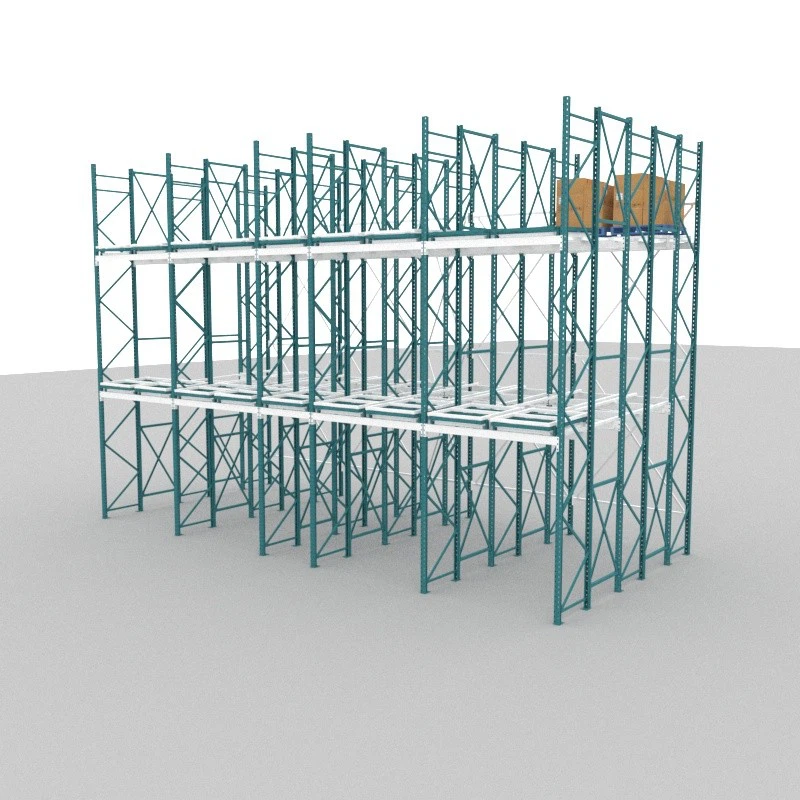
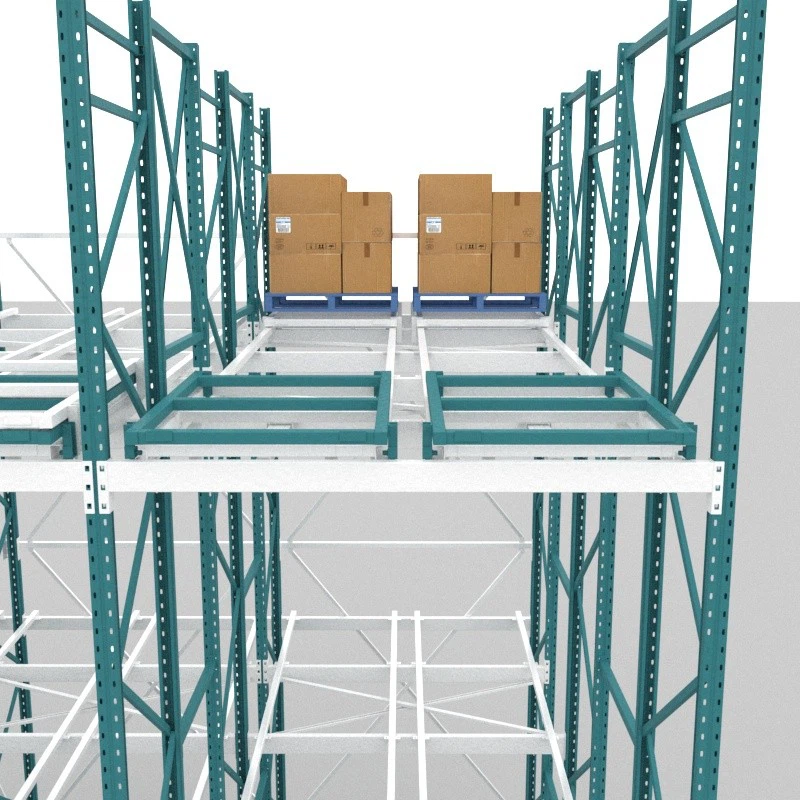
First and foremost, let's understand what flat warehouse shelves are. Flat warehouse shelves, available at Flat Warehouse Shelves, are a type of storage solution designed to provide a flat and stable surface for storing various goods. They are typically made of steel or other durable materials, offering a high weight - bearing capacity. These shelves are known for their simplicity, ease of installation, and cost - effectiveness.
When it comes to food storage, several key aspects need to be considered.
Hygiene and Cleanliness
Food products are highly sensitive to contamination. Therefore, the shelves used for storing them must be clean and easy to sanitize. Flat warehouse shelves, especially those made of smooth - surfaced materials, can meet this requirement. Steel shelves, for example, have a non - porous surface that does not absorb moisture or harbor bacteria easily. Regular cleaning with appropriate cleaning agents can keep the shelves hygienic and safe for food storage. However, it is important to ensure that the cleaning agents used are food - safe and do not leave any harmful residues.
Material Compatibility
The material of the shelves should not react with the food items. Some chemicals or coatings on the shelves could potentially leach into the food, posing a health risk. High - quality flat warehouse shelves are usually made of food - grade materials or have food - safe coatings. For instance, galvanized steel shelves are a popular choice as the zinc coating provides corrosion resistance without being toxic to food. Before using the shelves for food storage, it is advisable to check the material specifications and ensure they comply with relevant food safety standards.
Structural Integrity
Food items often come in different shapes, sizes, and weights. The shelves need to be structurally sound to support the load without sagging or collapsing. Flat warehouse shelves are designed to handle heavy loads, but it is essential to select the appropriate shelf type and configuration based on the specific food products to be stored. For example, if you are storing large, heavy pallets of canned goods, you may need shelves with a higher weight - bearing capacity. Additionally, proper installation and regular inspection of the shelves are necessary to maintain their structural integrity.
Environmental Conditions
Food storage requires specific environmental conditions such as temperature and humidity control. Flat warehouse shelves can be used in different environments, but it is important to ensure that the storage area is suitable for food preservation. For example, in a cold storage facility, the shelves should be able to withstand low temperatures without becoming brittle. In a humid environment, corrosion - resistant shelves are essential to prevent rusting, which could contaminate the food.
Organization and Accessibility
Efficient organization and easy accessibility are important for food storage. Flat warehouse shelves allow for easy arrangement of food items, making it convenient to implement the first - in - first - out (FIFO) principle. This is crucial for ensuring the freshness of the food and reducing the risk of spoilage. With proper shelving layout, it is easier to locate and retrieve specific food products, which can improve inventory management and reduce waste.
Comparison with Other Rack Systems
In addition to flat warehouse shelves, there are other rack systems such as Drive in Rack and Push-back Rack that can also be used for food storage. Drive in racks are suitable for high - density storage of homogeneous food products, where forklifts can drive directly into the rack structure. Push - back racks, on the other hand, are ideal for storing multiple pallets deep and allow for easy access to the products. However, flat warehouse shelves offer a more flexible and versatile storage solution, especially for smaller food items or when a more open storage layout is required.
Regulatory Compliance
When using flat warehouse shelves for food storage, it is essential to comply with local and national food safety regulations. These regulations may cover aspects such as shelf construction, cleaning procedures, and storage conditions. As a supplier, we ensure that our flat warehouse shelves are designed and manufactured to meet the relevant industry standards. However, it is the responsibility of the end - user to ensure full compliance with all applicable regulations.
In conclusion, flat warehouse shelves can be used for storing food items if certain conditions are met. They offer a practical and cost - effective storage solution, provided that hygiene, material compatibility, structural integrity, and environmental conditions are carefully considered. If you are in the food industry and looking for a reliable storage solution, our flat warehouse shelves could be a great option.
We understand that every food storage requirement is unique. Our team of experts is available to help you select the most suitable flat warehouse shelves for your specific needs. Whether you need advice on shelf configuration, material selection, or installation, we are here to assist you. Contact us today to start a discussion about your food storage project and explore how our flat warehouse shelves can meet your requirements.
References
- "Food Safety Regulations for Warehouse Storage", [Local Regulatory Body]
- "Materials and Coatings for Food - Safe Storage", Journal of Food Science and Technology
- "Best Practices in Warehouse Shelving for Food Products", Industry Research Report