

How can robots be integrated into existing manufacturing systems?
Nov 07, 2025
Leave a message
Integrating robots into existing manufacturing systems is a transformative step that can significantly enhance productivity, efficiency, and quality. As a robot supplier, I have witnessed firsthand the positive impact that well - integrated robotic solutions can have on manufacturing operations. In this blog, I will discuss the key steps and considerations for successfully integrating robots into existing manufacturing systems.
Assessing the Manufacturing System
The first step in integrating robots is to conduct a comprehensive assessment of the existing manufacturing system. This involves understanding the current production processes, workflow, and pain points. We need to identify the tasks that are repetitive, labor - intensive, or require high precision, as these are often the best candidates for robot automation.
For example, in a packaging line, tasks such as picking and placing products into boxes, labeling, and palletizing are typically repetitive and can be easily automated. By analyzing the cycle times, throughput requirements, and quality standards of these tasks, we can determine the type and number of robots needed.
It's also important to evaluate the physical layout of the manufacturing facility. Consider factors such as available floor space, access points, and the proximity of other equipment. This will help us determine the most suitable robot models and their installation locations. For instance, if space is limited, a Swing Arm Robot might be a great choice due to its compact design and high maneuverability.
Selecting the Right Robots
Once the assessment is complete, the next step is to select the appropriate robots for the identified tasks. There are various types of robots available in the market, each with its own unique capabilities and features.
- Swing Arm Robots: These robots are known for their speed and flexibility. They are ideal for tasks that require quick movements and precise positioning, such as assembly operations. The Swing Arm Robot offered by our company can handle a wide range of payloads and has a high repeatability, ensuring consistent performance.
- 3D Vision Robots: When dealing with tasks that involve complex object recognition and manipulation, 3D vision robots are the way to go. These robots are equipped with advanced vision systems that can detect and analyze objects in three dimensions. This makes them suitable for applications like bin picking, where parts are randomly placed in a bin. Our 3D Vision Robot can accurately identify and pick parts, even in challenging environments.
- Palletizing Robots: Palletizing is a common task in manufacturing, and palletizing robots can greatly improve efficiency in this area. These robots are designed to stack products on pallets in an organized manner. Our Palletizing Robot can handle different types of products and pallet patterns, and it can work continuously with high accuracy.
When selecting robots, it's crucial to consider factors such as payload capacity, reach, speed, and accuracy. Additionally, the robot's programming interface should be user - friendly, allowing operators to easily program and adjust the robot's movements.
Planning the Integration Process
After selecting the robots, a detailed integration plan needs to be developed. This plan should include a timeline, budget, and a list of tasks and responsibilities.
The integration process typically involves several stages:
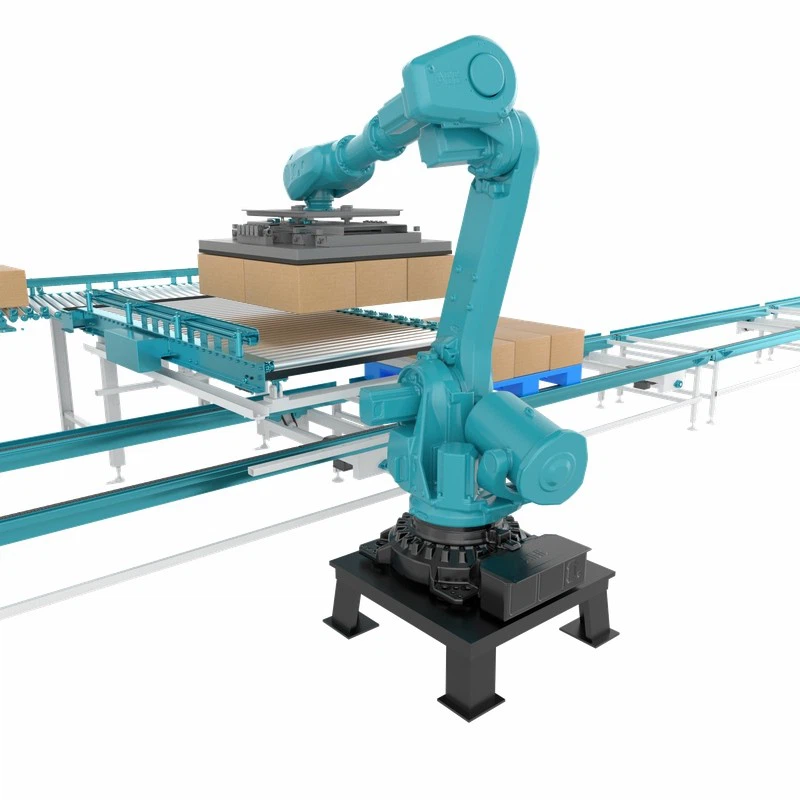

- Installation: The robots need to be installed in the designated locations within the manufacturing facility. This may require some modifications to the existing infrastructure, such as installing mounting brackets and electrical connections.
- Programming: Once the robots are installed, they need to be programmed to perform the desired tasks. This involves creating programs that define the robot's movements, speed, and interaction with other equipment. Our company provides comprehensive programming support to ensure that the robots are programmed correctly and efficiently.
- Testing and Validation: Before the robots are fully integrated into the manufacturing system, they need to be thoroughly tested. This includes testing the robot's functionality, accuracy, and compatibility with other equipment. Any issues or errors should be identified and resolved during this stage.
- Training: Operators and maintenance personnel need to be trained on how to operate and maintain the robots. Our training programs cover topics such as robot programming, operation, safety procedures, and basic maintenance.
Ensuring Compatibility and Safety
Compatibility is a critical factor in the integration of robots into existing manufacturing systems. The robots need to be compatible with the existing equipment, such as conveyors, sensors, and controllers. This may require the use of appropriate interfaces and communication protocols.
Safety is also of utmost importance when integrating robots into manufacturing. Robots can pose significant risks to human operators if not properly safeguarded. Therefore, it's essential to implement appropriate safety measures, such as safety fences, light curtains, and emergency stop buttons. Our robots are designed with safety features built - in, and we can also provide additional safety solutions to meet the specific requirements of each manufacturing facility.
Monitoring and Optimization
Once the robots are integrated into the manufacturing system, continuous monitoring and optimization are necessary to ensure optimal performance. This involves collecting data on the robot's operation, such as cycle times, error rates, and energy consumption. By analyzing this data, we can identify areas for improvement and make necessary adjustments to the robot's programming or operation.
For example, if the data shows that a robot is taking longer than expected to complete a task, we can analyze the robot's movements and programming to identify bottlenecks and optimize the process. Additionally, regular maintenance and calibration of the robots are essential to ensure their long - term reliability and performance.
Conclusion and Call to Action
Integrating robots into existing manufacturing systems is a complex but rewarding process. By following the steps outlined in this blog, manufacturers can successfully integrate robots into their operations, leading to increased productivity, improved quality, and reduced costs.
As a robot supplier, we are committed to providing high - quality robots and comprehensive integration services. If you are interested in integrating robots into your manufacturing system, we would be delighted to discuss your specific needs and provide you with a customized solution. Contact us today to start the conversation about how our robots can transform your manufacturing operations.
References
- Groover, M. P. (2015). Automation, Production Systems, and Computer - Integrated Manufacturing. Pearson.
- Siciliano, B., & Khatib, O. (Eds.). (2016). Springer Handbook of Robotics. Springer.
- Albus, J. S., & Meystel, A. M. (2001). Handbook of Intelligent Control: Neural, Fuzzy, and Adaptive Approaches. CRC Press.