

How do plastic flat pallets affect the transportation cost?
Jan 05, 2026
Leave a message
In the dynamic landscape of modern logistics and supply chain management, the choice of pallets plays a pivotal role in determining the efficiency and cost - effectiveness of transportation operations. As a dedicated supplier of Plastic Flat Pallets, I have witnessed firsthand how these innovative solutions can significantly impact transportation costs. This blog post aims to delve into the various ways in which plastic flat pallets influence transportation expenses and why they are becoming an increasingly popular choice in the industry.
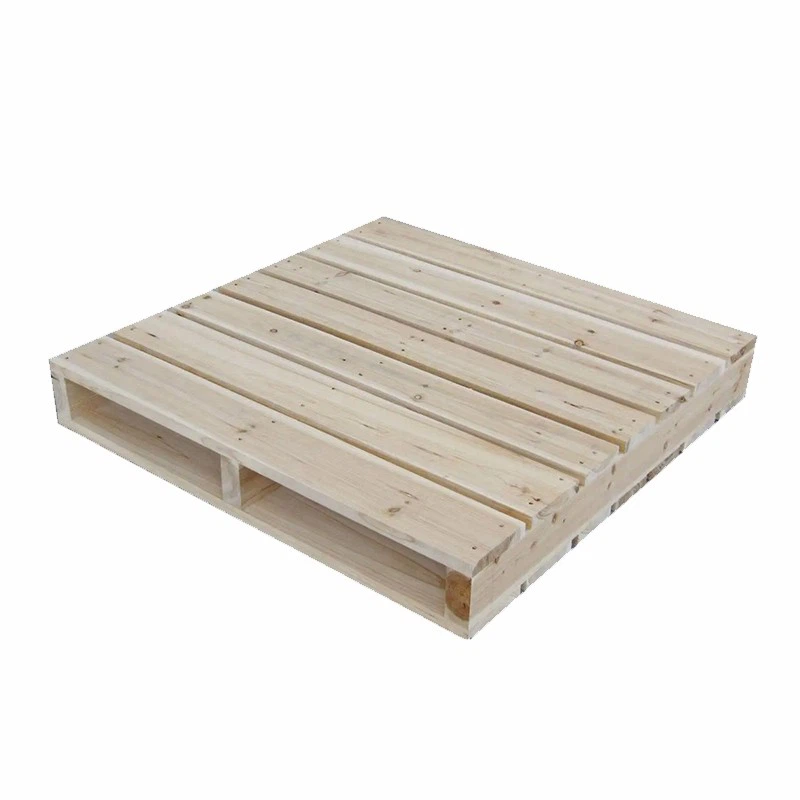

Weight and Fuel Efficiency
One of the most direct ways plastic flat pallets affect transportation costs is through their weight. Compared to traditional Wooden Pallets and Steel Pallet, plastic flat pallets are notably lighter. For instance, a standard wooden pallet can weigh anywhere from 30 to 70 pounds, while a steel pallet can be even heavier. In contrast, a plastic flat pallet typically weighs between 10 and 25 pounds.
The reduced weight of plastic flat pallets translates into lower fuel consumption during transportation. Trucks, trains, and ships all operate under weight - capacity constraints. By using lighter pallets, more goods can be transported within the same weight limit, effectively increasing the payload per trip. According to a study by the American Trucking Associations, for every 100 pounds of weight reduction on a truck, fuel efficiency can increase by up to 1%. This means that over long - distance hauls, the savings in fuel costs can be substantial.
Durability and Long - Term Cost Savings
Plastic flat pallets are renowned for their durability. They are resistant to moisture, chemicals, and pests, which are common problems associated with wooden pallets. Wooden pallets can warp, rot, or be infested with insects, leading to frequent replacements. On the other hand, plastic flat pallets can withstand harsh environmental conditions and rough handling, making them a long - term investment.
Although the initial cost of plastic flat pallets may be higher than that of wooden pallets, their longer lifespan offsets the upfront expense. A well - maintained plastic flat pallet can last up to 10 years or more, while wooden pallets may need to be replaced every 1 - 2 years. This reduces the overall cost of pallet procurement over time. Additionally, the reduced frequency of pallet replacements means less downtime for loading and unloading operations, further improving transportation efficiency.
Space Utilization
Efficient space utilization is crucial in transportation. Plastic flat pallets are designed with a uniform shape and size, which allows for better stacking and storage. Unlike wooden pallets, which may have irregular shapes or damaged corners, plastic flat pallets can be stacked neatly, maximizing the use of available space in trucks, warehouses, and shipping containers.
This efficient space utilization has a direct impact on transportation costs. By fitting more pallets and goods into a single shipment, fewer trips are required to transport the same volume of products. For example, in a standard 40 - foot shipping container, the use of plastic flat pallets can allow for an additional 10 - 15% of cargo to be loaded compared to wooden pallets. This not only reduces the number of containers needed but also lowers the overall shipping costs.
Compatibility with Automation
In today's modern logistics facilities, automation is becoming increasingly prevalent. Plastic flat pallets are highly compatible with automated handling equipment such as conveyor belts, forklifts, and robotic systems. Their smooth surface and consistent dimensions ensure seamless operation in automated environments.
Automation can significantly improve the speed and accuracy of loading and unloading processes. This reduces labor costs and the risk of human error. For example, in a large - scale distribution center, automated systems can handle plastic flat pallets much faster than manual labor, increasing the throughput of goods. As a result, the time spent at loading and unloading docks is minimized, allowing trucks to make more trips in a given period and reducing transportation costs.
Hygiene and Regulatory Compliance
In industries such as food, pharmaceuticals, and electronics, hygiene is of utmost importance. Plastic flat pallets are easy to clean and sanitize, making them an ideal choice for these industries. They do not absorb moisture or contaminants, which can prevent the growth of bacteria and mold.
Compliance with industry regulations is also a key factor in transportation. Some regulations require strict hygiene standards for pallets used in the transportation of certain products. Plastic flat pallets can meet these requirements more easily than wooden pallets, which may require additional treatment to ensure compliance. Failure to comply with regulations can result in fines and delays, which can significantly increase transportation costs. By using plastic flat pallets, companies can avoid these potential issues and ensure smooth transportation operations.
Environmental Considerations
In recent years, environmental concerns have become a significant factor in business decisions. Plastic flat pallets are often made from recyclable materials, which can be reused at the end of their lifespan. This reduces the environmental impact compared to wooden pallets, which may end up in landfills after use.
Some transportation companies and customers are willing to pay a premium for environmentally friendly solutions. By using plastic flat pallets, suppliers can meet the growing demand for sustainable transportation options. Additionally, some regions offer incentives for companies that use recyclable materials, which can further offset the cost of using plastic flat pallets.
Conclusion
In conclusion, plastic flat pallets have a profound impact on transportation costs in multiple ways. Their lightweight design improves fuel efficiency, their durability reduces long - term procurement costs, their efficient space utilization maximizes cargo capacity, their compatibility with automation streamlines operations, their hygiene and regulatory compliance prevent costly delays, and their environmental friendliness meets market demands.
As a supplier of Flat Pallet, I am committed to providing high - quality plastic flat pallets that can help businesses optimize their transportation costs. If you are interested in learning more about how our plastic flat pallets can benefit your transportation operations, I encourage you to reach out for a detailed discussion. We can work together to find the best solutions for your specific needs and achieve significant cost savings in your supply chain.
References
- American Trucking Associations. (20XX). Impact of Weight on Fuel Efficiency.
- Industry Report on Pallet Usage in Logistics. (20XX).