

How do you choose the right elevator for a building?
May 21, 2025
Leave a message
Hey there! I'm in the elevator business, and I know how crucial it is to pick the right elevator for a building. It's not just about getting from point A to point B; it's about safety, efficiency, and fitting the building's unique needs. In this blog, I'll share some tips on how to make that all - important choice.
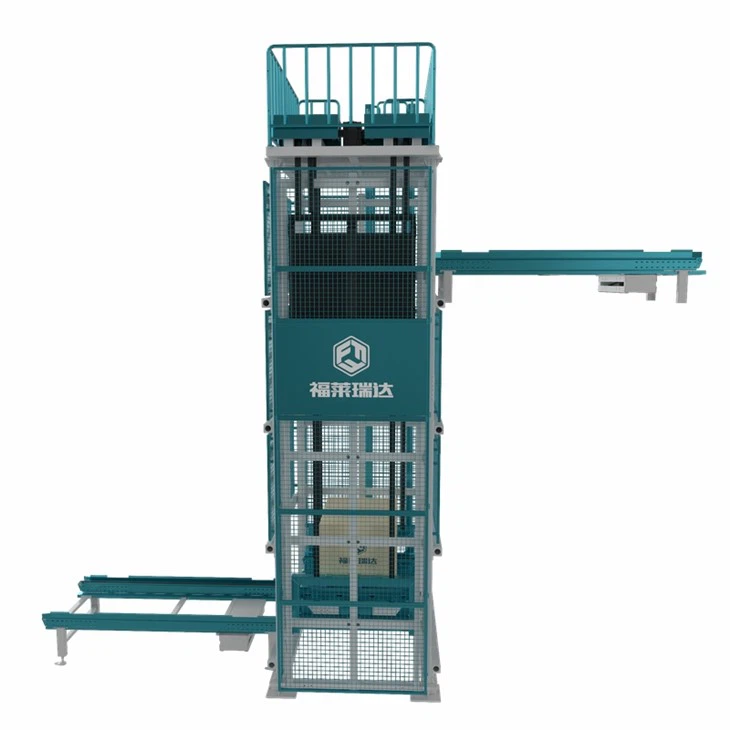
First off, you need to understand the different types of elevators out there. There are mainly three common types: [Continuous Elevator](/elevator/continuous - elevator.html), [Reciprocating Elevator](/elevator/reciprocating - elevator.html), and [Screw Elevator](/elevator/screw - elevator.html).
Let's start with the continuous elevator. This type is great for handling a large volume of people or goods in a continuous flow. It's often used in places like airports, shopping malls, and large industrial facilities. If your building has a high - traffic area where people or items need to be moved non - stop, a continuous elevator might be the way to go. It can keep things moving smoothly, reducing bottlenecks and waiting times.
Next up is the reciprocating elevator. This is the most common type you'll see in office buildings, hotels, and residential complexes. It moves up and down in a vertical shaft, stopping at different floors as needed. Reciprocating elevators come in various sizes and capacities, so you can choose one that suits the number of floors in your building and the expected passenger load. They're reliable and can be customized with different features like fancy interiors, energy - saving technologies, and advanced safety systems.
Then there's the screw elevator. It's a bit more specialized. Screw elevators are often used in situations where space is limited or where a gentle and slow vertical movement is required. They're commonly found in small warehouses, kiosks, or places where you need to lift light - weight items. The design of a screw elevator is relatively simple, which can mean lower maintenance costs in some cases.
Now that you know the types, let's talk about the factors you should consider when making your choice.
Building Size and Usage
The size of your building is a major factor. For a small building with just a few floors, a simple and cost - effective reciprocating elevator might be sufficient. But if you're dealing with a skyscraper, you'll need high - speed, high - capacity elevators. You also need to think about how the building will be used. Is it an office building with a large number of employees coming and going at peak hours? Or is it a residential building where the traffic is more spread out throughout the day? If it's a commercial building with a lot of foot traffic, you might need multiple elevators to ensure quick and efficient service.
Capacity Requirements
Determining the right capacity is crucial. You don't want an elevator that's too small and causes long wait times and overcrowding. On the other hand, an elevator that's too large will be a waste of resources. To calculate the capacity, you need to consider the number of people or the weight of goods that will use the elevator at any given time. For example, in an office building, you can estimate the number of employees per floor and then figure out how many people will need to use the elevator during peak times, like the start and end of the workday.
Safety Features
Safety should always be a top priority. Look for elevators that are equipped with the latest safety technologies. This includes things like emergency brakes, door interlocks, and fire - resistant materials. Modern elevators also have advanced monitoring systems that can detect any issues in real - time and alert maintenance crews. Make sure the elevator you choose meets all the local safety codes and regulations.
Energy Efficiency
Energy costs can add up over time, so it's a good idea to choose an energy - efficient elevator. Many new elevators come with features like regenerative drives, which can convert the energy generated during the descent of the elevator into electricity and feed it back into the building's power system. This can significantly reduce energy consumption and lower your utility bills.
Maintenance and Service
Elevators require regular maintenance to ensure they operate safely and efficiently. When choosing an elevator, consider the ease of maintenance. Some elevators are designed with easy - to - access components, which can make it quicker and cheaper to perform routine checks and repairs. Also, find out if the elevator manufacturer or supplier offers a reliable maintenance service. A good maintenance contract can give you peace of mind knowing that your elevator will be in good hands.
Budget
Of course, your budget plays a big role in the decision - making process. Elevators can vary widely in price depending on the type, size, features, and brand. It's important to have a clear idea of how much you're willing to spend and then look for options that fit within your budget. But remember, it's not just about the upfront cost. You also need to consider the long - term costs, such as energy consumption and maintenance. Sometimes, it might be worth spending a bit more upfront on a high - quality, energy - efficient elevator that will save you money in the long run.
Aesthetics and Design
The elevator is not just a functional part of the building; it's also a part of the overall design. You want an elevator that complements the building's architecture and interior design. Many elevator manufacturers offer a wide range of customization options, from the materials used in the cab to the lighting and control panels. You can choose a modern, sleek design for a contemporary building or a more traditional look for a historic structure.

In conclusion, choosing the right elevator for a building is a complex decision that requires careful consideration of many factors. As an elevator supplier, I'm here to help you navigate through all these choices. Whether you need a continuous elevator for a busy airport, a reciprocating elevator for an office tower, or a screw elevator for a small warehouse, I can provide you with the best solutions that meet your specific needs.
If you're in the process of building or renovating a building and need to select an elevator, I'd love to have a chat with you. We can discuss your requirements in detail and find the perfect elevator for your project. Just reach out, and let's start the conversation.
References
- Elevator Handbook, various industry experts
- Building codes and regulations related to elevators in different regions