

How does a Digital Twin System interact with artificial intelligence?
Oct 27, 2025
Leave a message
Hey there! I'm a supplier of Digital Twin System, and I'm super stoked to chat with you about how a Digital Twin System interacts with artificial intelligence. It's a topic that's been buzzing in the tech world, and I've seen firsthand how this combo can revolutionize various industries.
Let's start with the basics. A Digital Twin System is like a virtual copy of a physical object, process, or system. It mirrors the real - world counterpart in real - time, collecting data from sensors and other sources to provide an accurate representation. On the other hand, artificial intelligence (AI) is all about machines that can learn, reason, and make decisions like humans. When these two powerhouses come together, it's like a match made in tech heaven.
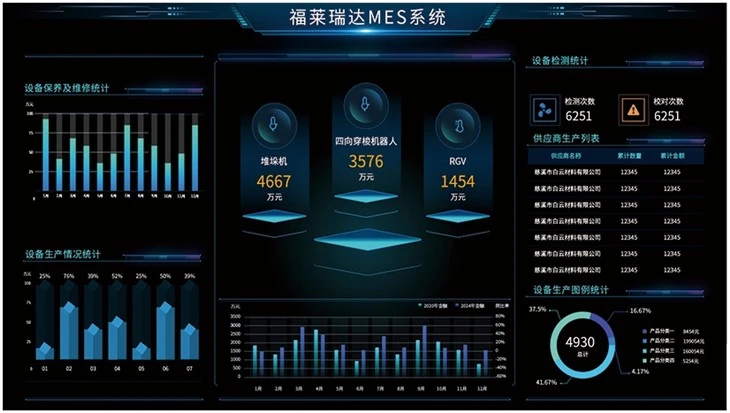
One of the key ways a Digital Twin System interacts with AI is through data analysis. The Digital Twin is constantly gathering data from the physical asset it represents. This data can be anything from temperature readings in a manufacturing plant to the speed of a vehicle. AI algorithms can then step in to analyze this vast amount of data. For example, in a Manufacturing Execution System, the Digital Twin can collect data on machine performance, production rates, and quality control metrics. AI can analyze this data to detect patterns that humans might miss. It can predict when a machine is likely to fail, allowing for proactive maintenance. This not only saves time and money but also reduces downtime.
AI also helps in optimizing the Digital Twin. The Digital Twin is supposed to be as accurate a representation of the real - world object as possible. AI algorithms can use the data collected to fine - tune the Digital Twin model. For instance, if there are discrepancies between the virtual and physical systems, AI can adjust the Digital Twin's parameters to make it more accurate. This continuous optimization ensures that the Digital Twin remains a reliable tool for monitoring and decision - making.
Another area where the interaction between Digital Twin System and AI shines is in simulation. The Digital Twin can be used to create simulations of different scenarios. AI can then be used to run these simulations more efficiently. In the case of a smart city Digital Twin, we can simulate traffic flow, energy consumption, and environmental factors. AI algorithms can quickly analyze the results of these simulations and suggest the best strategies for improving the city's infrastructure. For example, it might recommend adjusting traffic light timings to reduce congestion or optimizing energy distribution to save resources.

When it comes to the Point Cloud Algorithm System, the combination of Digital Twin and AI is also very powerful. Point cloud data is used to create 3D models of physical objects. The Digital Twin can use this data to create a detailed virtual representation. AI can then process this point cloud data to extract meaningful information. It can identify objects, measure distances, and even detect defects in the physical object. This is extremely useful in industries like construction and aerospace, where precise measurements and quality control are crucial.
The interaction between Digital Twin System and AI also enables predictive analytics. By analyzing historical data from the Digital Twin and using AI algorithms, we can predict future events. In healthcare, for example, a Digital Twin of a patient's body can collect data on vital signs, medical history, and genetic information. AI can then analyze this data to predict the likelihood of a patient developing a certain disease. This allows for early intervention and personalized treatment plans.
Now, you might be wondering how all of this translates into real - world benefits for your business. Well, if you're in manufacturing, the combination of Digital Twin and AI can improve production efficiency, reduce waste, and increase product quality. In the energy sector, it can help in optimizing power generation and distribution, leading to cost savings and a more sustainable energy grid. In logistics, it can enhance supply chain management by predicting demand and optimizing routes.
So, if you're looking to take your business to the next level, consider integrating a Digital Twin System with AI. As a supplier of Digital Twin Systems, I have the expertise and experience to help you implement this technology in your organization. Whether you're a small startup or a large corporation, we can tailor a solution that meets your specific needs.
If you're interested in learning more about how a Digital Twin System and AI can work for you, or if you want to start a procurement discussion, don't hesitate to reach out. I'm always happy to have a chat and see how we can collaborate to drive innovation in your industry.
References
- Many research papers in the field of industrial automation and digital transformation discuss the interaction between Digital Twin and AI.
- Industry reports from leading technology research firms also provide valuable insights into the practical applications of this technology combination.