

How does a Digital Twin System optimize resource allocation?
May 16, 2025
Leave a message
Hey there! As a supplier of Digital Twin Systems, I've seen firsthand how these nifty tools can revolutionize resource allocation. So, let's dive into how a Digital Twin System optimizes resource allocation and why it's a game - changer for businesses.
Understanding Digital Twin Systems
First off, what the heck is a Digital Twin System? Well, it's like a virtual copy of a physical system, process, or product. It uses real - time data, sensors, and advanced algorithms to mirror the behavior and characteristics of its real - world counterpart. This virtual model can be used to simulate, analyze, and predict how the physical system will perform under different conditions.
Think of it as having a crystal ball for your business operations. You can test out different scenarios in the virtual world before making any changes in the real one. This saves time, money, and resources by avoiding costly mistakes.
Optimizing Resource Allocation in Manufacturing
One of the biggest areas where Digital Twin Systems shine is in manufacturing. In a traditional manufacturing setup, resource allocation can be a real headache. You've got to figure out how much raw material to order, how many workers to schedule, and how to keep your machines running at peak efficiency.
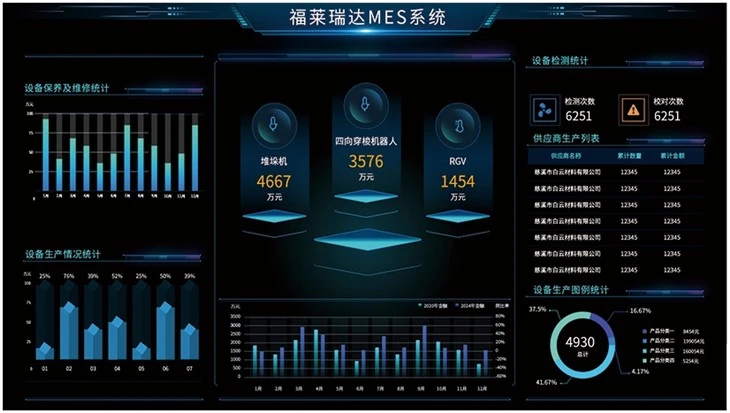
With a Digital Twin System, you can create a virtual model of your entire manufacturing plant. This model takes into account everything from the layout of the factory floor to the performance of individual machines. By analyzing real - time data from sensors on your machines, the Digital Twin can predict when a machine is likely to break down or when it's underutilized.
For example, let's say you have a machine that's running at only 60% capacity. The Digital Twin can identify this inefficiency and suggest ways to optimize its use. Maybe you can reassign some of the workload from other machines to it, or adjust the production schedule to make better use of its capabilities.
Another cool thing about Digital Twin Systems in manufacturing is their integration with the [Manufacturing Execution System](/system/manufacturing - execution - system.html). The Manufacturing Execution System is responsible for managing and monitoring the production process in real - time. By connecting the Digital Twin to this system, you can get a more accurate picture of what's happening on the factory floor. This allows for more precise resource allocation, as you can adjust production levels based on actual demand and machine performance.
Logistics and Supply Chain Optimization
Logistics is another area where Digital Twin Systems can make a huge difference. In a complex supply chain, getting the right products to the right place at the right time is no easy feat. There are so many variables to consider, like transportation routes, inventory levels, and delivery schedules.
A Digital Twin System can create a virtual representation of your entire supply chain. It can track the movement of goods from the supplier to the end - customer, taking into account factors like traffic conditions, weather, and customs regulations. By analyzing this data, the Digital Twin can identify bottlenecks and inefficiencies in the supply chain.
For instance, if there's a particular shipping route that's consistently causing delays, the Digital Twin can suggest alternative routes. It can also optimize inventory levels by predicting demand more accurately. This means you won't have to keep excess stock sitting in warehouses, tying up valuable resources.
The [Logistics Execution System](/system/logistics - execution - system.html) plays a crucial role here. It manages the day - to - day operations of the logistics process, such as order fulfillment and shipment tracking. By integrating the Digital Twin with the Logistics Execution System, you can streamline the entire supply chain and make better decisions about resource allocation.
Path Optimization in Warehousing
In a warehouse setting, efficient path optimization is essential for maximizing productivity. Workers need to be able to move around the warehouse quickly and easily to pick and pack orders. A Digital Twin System can help with this by creating a virtual model of the warehouse layout.

The Digital Twin can analyze the movement of workers and equipment in the warehouse, taking into account factors like the location of inventory, the layout of aisles, and the flow of traffic. Using the [Path Optimization Algorithm System](/system/path - optimization - algorithm - system.html), it can generate the most efficient routes for workers to follow.

For example, instead of workers taking a long and winding route to pick an item from the back of the warehouse, the Digital Twin can suggest a shorter, more direct path. This not only saves time but also reduces the physical strain on workers, leading to increased productivity and fewer injuries.
Predictive Maintenance and Resource Allocation
One of the most significant benefits of Digital Twin Systems is their ability to perform predictive maintenance. In any business that relies on machinery, unexpected breakdowns can be extremely costly. They can lead to production downtime, lost revenue, and expensive repair bills.
A Digital Twin System can monitor the health of your machines in real - time by collecting data from sensors. It can then use this data to predict when a machine is likely to fail. By identifying potential problems before they occur, you can schedule maintenance in advance, reducing the risk of unplanned downtime.
This also has a big impact on resource allocation. Instead of having to allocate resources for emergency repairs, you can plan your maintenance activities more efficiently. You can order the necessary parts in advance, schedule maintenance during off - peak hours, and ensure that your maintenance team is available when needed.
Energy Management and Resource Allocation
Energy is a precious resource, and businesses are always looking for ways to reduce their energy consumption. A Digital Twin System can help with this by creating a virtual model of your building's energy systems.
The Digital Twin can monitor energy usage in real - time, taking into account factors like the time of day, the weather, and the occupancy of the building. By analyzing this data, it can identify areas where energy is being wasted and suggest ways to optimize energy consumption.
For example, if your building's HVAC system is running at full capacity even when the building is nearly empty, the Digital Twin can suggest adjusting the temperature settings or the fan speed. This can lead to significant energy savings and a reduction in your utility bills.
Conclusion
In conclusion, a Digital Twin System is an incredibly powerful tool for optimizing resource allocation. Whether you're in manufacturing, logistics, warehousing, or any other industry, it can help you make better decisions, reduce costs, and increase efficiency.
If you're interested in learning more about how a Digital Twin System can benefit your business and want to start a conversation about procurement, don't hesitate to reach out. We're here to help you take your resource allocation to the next level.
References
- Grieves, M., & Vickers, J. (2017). Digital twin: Mitigating unpredictable, undesired emergent behavior in complex systems. In System Sciences (HICSS), 2017 50th Hawaii International Conference on (pp. 858 - 867). IEEE.
- Tao, F., Zhang, M., Qi, Q., Zhang, H., & Sui, F. (2018). Digital twin shop - floor: A new shop - floor paradigm towards smart manufacturing. Robotics and Computer - Integrated Manufacturing, 50, 153 - 166.
- Xu, X., Tao, F., & Qi, Q. (2018). A new approach for product design based on digital twin. The International Journal of Advanced Manufacturing Technology, 96(5 - 8), 2239 - 2251.