

How does the acceleration affect the performance of a Cantilever Robot?
Jul 10, 2025
Leave a message
Acceleration is a crucial factor that significantly impacts the performance of a Cantilever Robot. As a supplier of Cantilever Robots, I have witnessed firsthand how different acceleration settings can lead to various outcomes in terms of efficiency, precision, and overall productivity. In this blog, I will delve into the ways acceleration affects the performance of a Cantilever Robot and why it matters in industrial applications.
1. Understanding Cantilever Robots
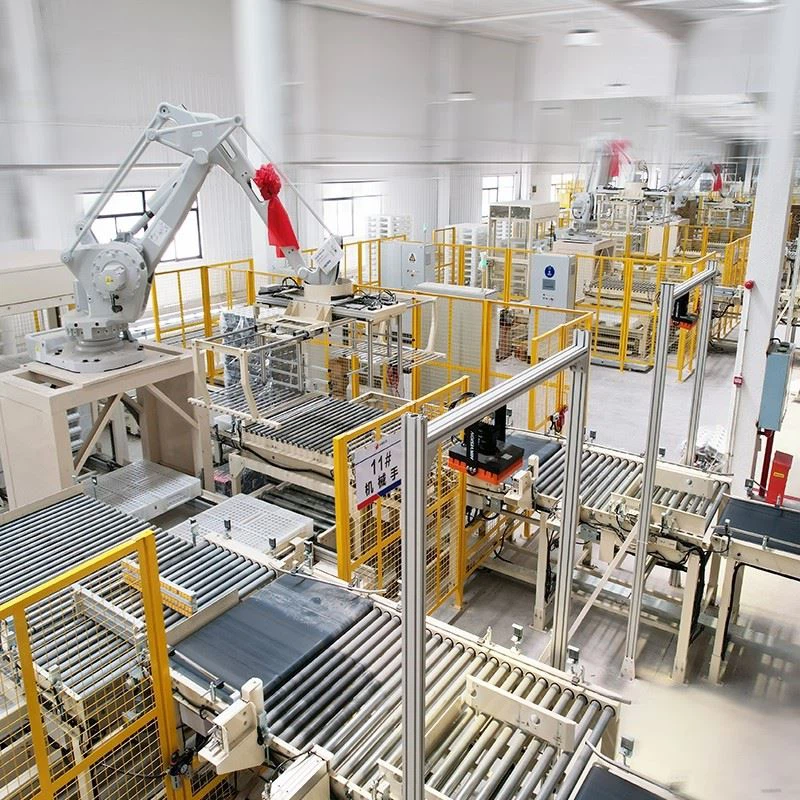
Before discussing the impact of acceleration, it's essential to have a basic understanding of Cantilever Robots. A Cantilever Robot is a type of industrial robot with a single arm that extends from a fixed base, similar to a cantilever structure in engineering. These robots are widely used in industries such as manufacturing, packaging, and material handling due to their flexibility and ability to reach a wide range of work areas. They can perform tasks such as pick - and - place operations, assembly, and inspection. For more information on Cantilever Robots, you can visit our Cantilever Robot page.
2. How Acceleration Affects Speed and Cycle Time
One of the most obvious ways acceleration affects the performance of a Cantilever Robot is through its impact on speed and cycle time. Acceleration refers to the rate at which the robot's arm changes its velocity. A higher acceleration means that the robot can reach its maximum speed more quickly.
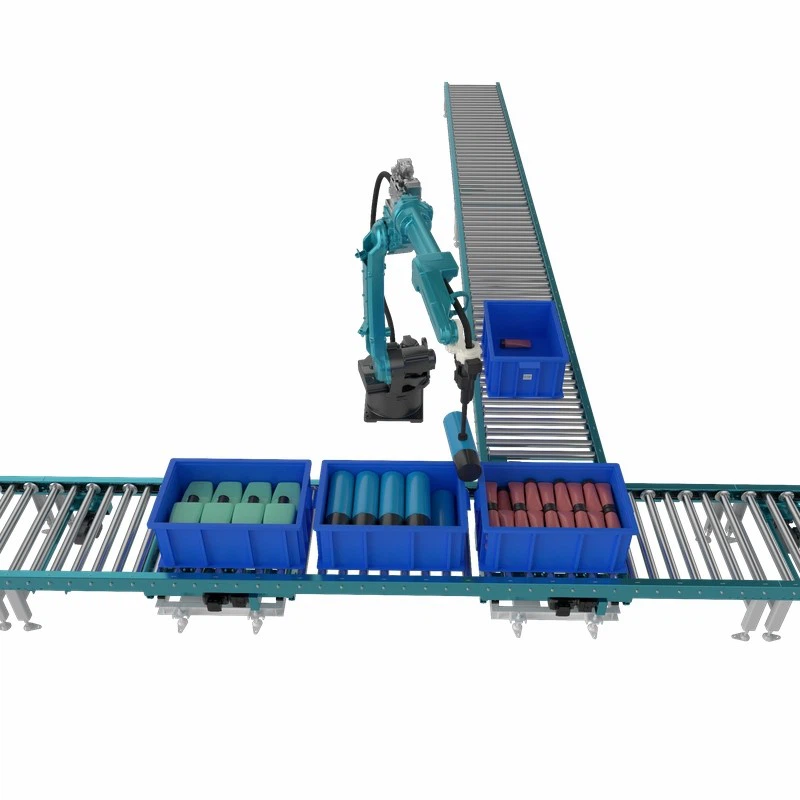
In a pick - and - place operation, for example, a robot with a high acceleration can move from the pick position to the place position in a shorter time. This reduces the overall cycle time of the operation, which is the time it takes for the robot to complete one full cycle of its task. As a result, the robot can perform more cycles per unit of time, increasing the production rate. On the other hand, a low acceleration will cause the robot to take longer to reach its maximum speed, leading to a longer cycle time and lower productivity.
However, it's important to note that increasing acceleration too much can also have negative consequences. If the acceleration is too high, the robot may experience overshooting, where it moves past the target position. This requires the robot to make additional corrective movements, which can actually increase the cycle time and reduce efficiency.
3. Impact on Precision and Repeatability
Acceleration also has a significant impact on the precision and repeatability of a Cantilever Robot. Precision refers to how accurately the robot can reach a specific position, while repeatability refers to how consistently the robot can return to the same position over multiple cycles.
When the acceleration is too high, the forces acting on the robot's arm can cause vibrations. These vibrations can make it difficult for the robot to stop precisely at the target position, reducing its precision. Additionally, the vibrations can also affect the robot's ability to repeat the same movement accurately, decreasing its repeatability.
Conversely, a well - calibrated acceleration can help the robot move smoothly and reach the target position with high precision and repeatability. By carefully adjusting the acceleration, we can minimize vibrations and ensure that the robot performs its tasks with the required level of accuracy. This is particularly important in applications such as assembly, where even a small deviation from the target position can lead to product defects.
4. Effect on Mechanical Stress and Wear
The acceleration of a Cantilever Robot can also affect the mechanical stress and wear on its components. A high acceleration generates large forces on the robot's arm, joints, and motors. Over time, these forces can cause increased wear and tear on the mechanical components, leading to a shorter lifespan of the robot.
For example, the gears and bearings in the robot's joints are subjected to higher loads when the acceleration is high. This can cause premature wear of these components, which may result in reduced performance and increased maintenance costs. In addition, the high forces can also lead to fatigue in the robot's arm, potentially causing cracks or other structural damage.
On the other hand, a lower acceleration reduces the mechanical stress on the robot's components. This can extend the lifespan of the robot and reduce the need for frequent maintenance. However, as mentioned earlier, a very low acceleration can also have a negative impact on productivity. Therefore, finding the optimal acceleration is a balance between maximizing productivity and minimizing mechanical stress.
5. Acceleration in Different Applications
The optimal acceleration for a Cantilever Robot depends on the specific application. In high - speed pick - and - place operations, such as in the packaging industry, a relatively high acceleration may be required to achieve the desired production rate. However, in applications that require high precision, such as micro - assembly, a lower acceleration may be necessary to ensure accurate positioning.
For instance, a Swing Arm Robot, which is a type of Cantilever Robot commonly used in packaging, may benefit from a higher acceleration to quickly move products from one conveyor to another. In contrast, a Picking Robot used in a laboratory setting for handling delicate samples may need a lower acceleration to avoid damaging the samples and to ensure precise picking.
6. Optimizing Acceleration for Cantilever Robots
As a Cantilever Robot supplier, we work closely with our customers to optimize the acceleration settings for their specific applications. We start by understanding the requirements of the task, such as the desired cycle time, precision, and the type of materials being handled.
We use advanced simulation tools to model the robot's movement and analyze the effects of different acceleration settings. This allows us to predict how the robot will perform under various conditions and to select the optimal acceleration. In addition, we also conduct on - site tests to fine - tune the acceleration settings based on the actual operating environment.
7. Conclusion and Call to Action
In conclusion, acceleration plays a vital role in the performance of a Cantilever Robot. It affects the speed, cycle time, precision, repeatability, and mechanical stress of the robot. By carefully selecting and optimizing the acceleration settings, we can ensure that the robot operates at its best, achieving high productivity and performance while minimizing maintenance costs.
If you are considering purchasing a Cantilever Robot for your industrial application, or if you want to optimize the performance of your existing robot, we are here to help. Our team of experts has extensive experience in designing and programming Cantilever Robots to meet the specific needs of our customers. Contact us today to start a discussion about how we can provide the best solution for your business.
References
- "Industrial Robotics: Technology, Programming, and Applications" by Michael P. Groover
- "Robot Manipulators: Mathematics, Programming, and Control" by Richard Paul