

How to choose the right forklift attachments?
Oct 21, 2025
Leave a message
Hey there! As a forklift supplier, I've seen firsthand how crucial it is to choose the right forklift attachments. They can seriously up your game in terms of efficiency, safety, and overall productivity in your warehouse or worksite. So, let's dive into how you can pick the perfect attachments for your forklift.
Understanding Your Needs
First things first, you gotta figure out what you actually need the forklift attachment for. What kind of tasks will it be used for on a daily basis? Are you mainly moving pallets around, or do you need to handle more specialized loads like drums, rolls of paper, or long pipes?
If you're in the business of moving pallets, standard forks are probably your go - to. But if you're dealing with irregularly shaped items, you might need something like a clamp attachment. For example, if you're working in a beverage warehouse and need to move stacks of bottles, a side clamp attachment can securely hold the load and prevent it from tipping over.
Compatibility with Your Forklift
Once you've identified your needs, you need to make sure the attachment is compatible with your forklift. Not all attachments will fit every forklift model. You need to consider things like the forklift's capacity, mast height, and hydraulic system.
The capacity of the forklift is super important. You don't want to overload your forklift by using an attachment that's too heavy or that can carry a load that exceeds the forklift's rated capacity. This can not only damage your forklift but also pose a serious safety risk.
The mast height also matters. Some attachments, like a telescopic boom, might require a certain mast height to function properly. And the hydraulic system of your forklift needs to be able to power the attachment. If the hydraulic flow and pressure aren't right, the attachment might not work as expected.
Types of Forklift Attachments and Their Uses
Fork Extensions
Fork extensions are a simple yet useful attachment. They're great for handling longer loads that wouldn't fit on the standard forks. For example, if you need to move long lumber or steel bars, fork extensions can provide the extra length you need. They're easy to install and remove, so you can switch between using them and the standard forks as needed.
Side Shifters
Side shifters are a game - changer when it comes to positioning loads. Instead of having to reposition the entire forklift, you can simply shift the forks from side to side. This saves a lot of time, especially in tight spaces. It's also more precise, which can reduce the risk of damaging the load or the surrounding environment.
Drum Handlers
If you work with drums, a drum handler attachment is a must - have. There are different types of drum handlers, like clamp - style and grab - style. Clamp - style drum handlers grip the sides of the drum, while grab - style handlers can pick up the drum by the top. They make it easy and safe to move drums around, whether they're full or empty.
Roll Clamps
Roll clamps are designed for handling rolls of materials like paper, carpet, or plastic film. They can grip the roll securely and lift it without damaging the material. This is especially important when dealing with delicate or expensive materials.
Considering Your Work Environment
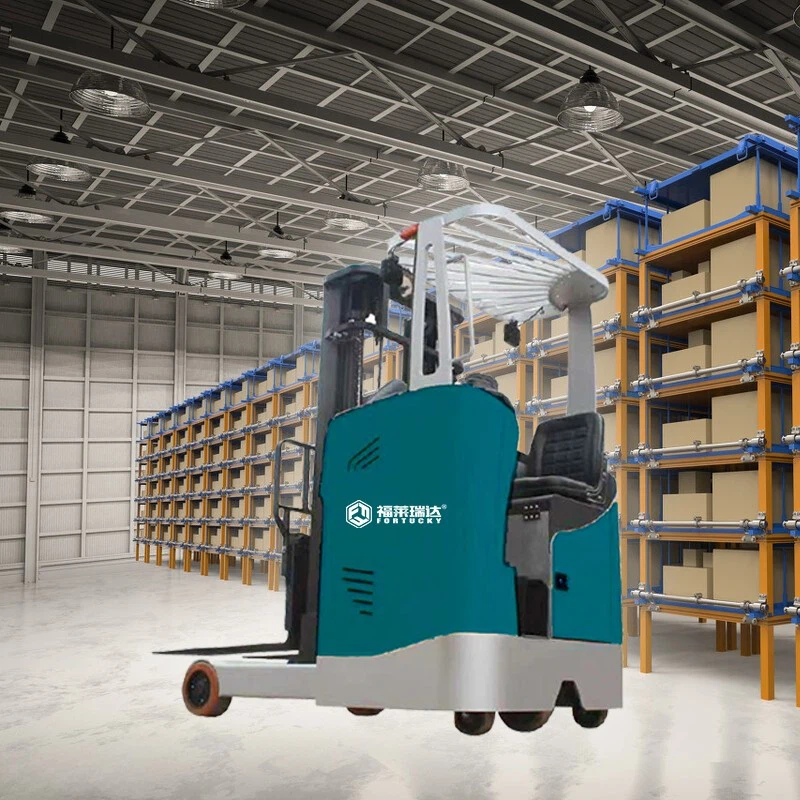
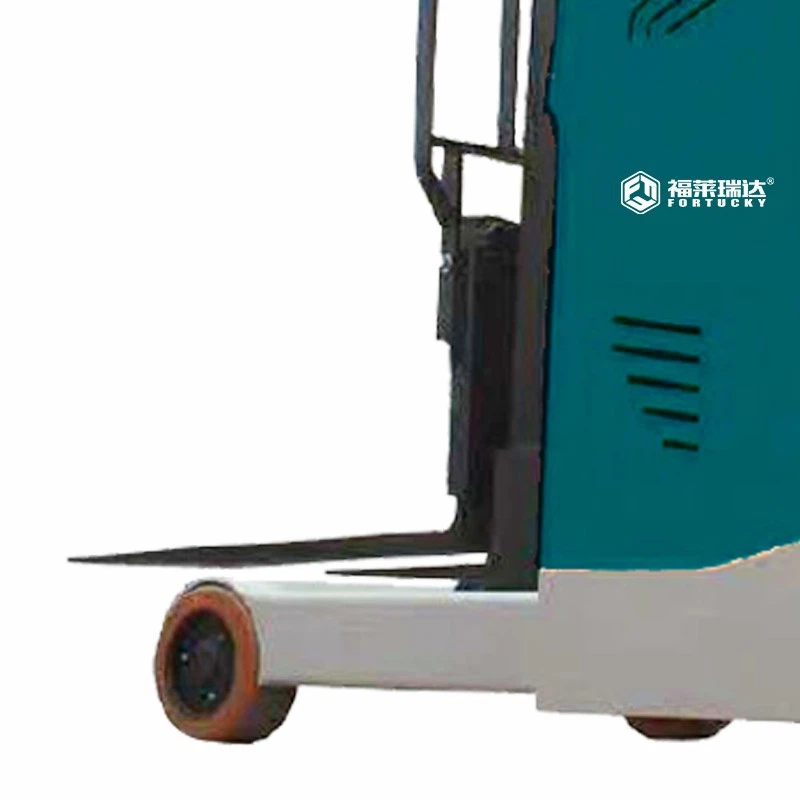
Your work environment also plays a big role in choosing the right forklift attachment. If you're working in a narrow aisle warehouse, you might want to consider a Electric Reach Forklift with a reach attachment. These forklifts can extend their forks forward, allowing you to access pallets in high - rack storage without having to drive the entire forklift into the aisle.
On the other hand, if you have a lot of open space and need to move heavy loads quickly, a Ride - on Reach Forklift might be a better option. These forklifts are more powerful and can handle larger loads.
If you're working in a small, confined area, a Three - point Electric Forklift could be ideal. They're more maneuverable and can turn in tight spaces, which is great for navigating around obstacles.
Cost and Return on Investment
Of course, cost is always a factor when choosing a forklift attachment. You need to balance the upfront cost of the attachment with the potential benefits it will bring. Consider how much time and labor it will save you, and how it will improve the efficiency of your operations.
For example, a side shifter attachment might cost a few thousand dollars, but if it saves you just a few minutes per load, over the course of a year, that can add up to a significant amount of time and money. And if it reduces the risk of damage to your loads and equipment, that's an even bigger return on investment.
Quality and Durability
You don't want to skimp on quality when it comes to forklift attachments. A cheap, poorly - made attachment might break down easily, causing downtime and potentially costing you more in the long run. Look for attachments that are made from high - quality materials and have a good reputation for durability.
Read reviews from other users and ask for recommendations from your forklift supplier. A reliable supplier will be able to recommend attachments that are built to last and that are backed by a good warranty.
Maintenance and Support
Finally, consider the maintenance requirements of the attachment and the support available from the supplier. Some attachments might require more frequent maintenance than others. Make sure you understand what's involved in maintaining the attachment and that you have access to the necessary parts and service.
A good supplier will offer support and training on how to use and maintain the attachment. They should also be able to provide quick replacement parts if needed, to minimize downtime.
So, there you have it! Choosing the right forklift attachment is all about understanding your needs, ensuring compatibility, considering your work environment, and weighing the cost against the benefits. If you have any questions or need help choosing the right attachment for your forklift, don't hesitate to reach out. We're here to help you make the best decision for your business.
References
- Forklift Safety Guide, Occupational Safety and Health Administration (OSHA)
- Forklift Attachment Handbook, industry - leading forklift manufacturer