

How to operate a forklift in a high - traffic area?
Jul 07, 2025
Leave a message
Operating a forklift in a high-traffic area can be a daunting task, but with the right knowledge and skills, it can be done safely and efficiently. As a forklift supplier, I've seen firsthand the importance of proper forklift operation in busy work environments. In this blog, I'll share some tips and best practices on how to operate a forklift in a high-traffic area.
Pre - operation Checks
Before you even start the forklift, it's crucial to conduct a thorough pre - operation check. This includes inspecting the brakes, steering, horns, lights, and the mast. Make sure all the safety features are in good working condition. You don't want to be in the middle of a high - traffic area with a forklift that has faulty brakes or a malfunctioning horn.
Check the tires for proper inflation and any signs of damage. Low - pressure tires can affect the forklift's stability and handling, which is especially dangerous in a high - traffic area. Also, look at the forks. They should be straight, without any cracks or bends. If you notice any issues during the pre - operation check, don't operate the forklift. Instead, have it repaired immediately.
Understanding the Forklift
Different types of forklifts are designed for different tasks and environments. We offer a variety of forklifts, such as the Three - point Electric Forklift, Electric Reach Forklift, and Ride - on Reach Forklift. Each of these has its own unique features and operating requirements.
The Three - point Electric Forklift is great for maneuvering in tight spaces. Its compact design allows it to turn easily, which is a big advantage in high - traffic areas where space is limited. The Electric Reach Forklift, on the other hand, is designed for reaching high shelves. It has a telescoping mast that can lift loads to greater heights. The Ride - on Reach Forklift provides the operator with a more comfortable and efficient way to handle materials, especially when dealing with large volumes of goods.
Make sure you're familiar with the specific forklift you're using. Read the operator's manual carefully and understand how to use all the controls. Practice operating the forklift in a low - traffic area first to get a feel for its handling and performance.
Navigating in High - Traffic Areas
When operating a forklift in a high - traffic area, visibility is key. Keep your head on a swivel and constantly scan your surroundings. Use your mirrors to check for other vehicles, pedestrians, and obstacles. Slow down when approaching intersections, blind spots, or areas with poor visibility.
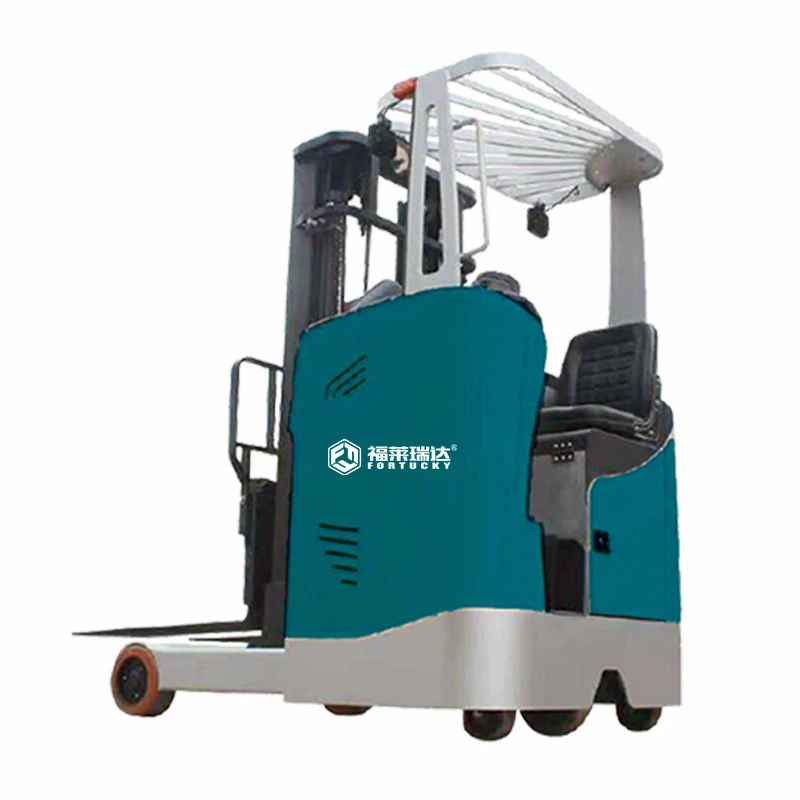

Always use your horn when necessary. A simple honk can alert others to your presence and prevent accidents. Make eye contact with pedestrians and other vehicle operators to ensure they see you.
Follow the traffic rules and signs in the area. Just like on the road, there are rules for forklift operation in a workplace. Stay in designated lanes and follow the flow of traffic. Don't make sudden stops or turns, as this can cause collisions.
Load Handling
Proper load handling is essential in high - traffic areas. Make sure the load is evenly distributed on the forks. An uneven load can cause the forklift to tip over, especially when turning or traveling on an incline.
Don't overload the forklift. Each forklift has a maximum load capacity, and exceeding this limit is extremely dangerous. Check the load capacity plate on the forklift and make sure the weight of the load doesn't exceed it.
When lifting a load, keep it as low as possible. This lowers the center of gravity and improves the forklift's stability. When traveling with a load, tilt the mast slightly backward to prevent the load from falling forward.
Communicating with Others
Communication is vital in a high - traffic area. If you're working in a team, establish clear communication channels. Use hand signals or two - way radios to communicate with other forklift operators and workers.
If you need to cross paths with other vehicles, communicate your intentions clearly. Let the other operator know when you're going to move, turn, or stop. This helps to avoid misunderstandings and reduces the risk of accidents.
Training and Certification
Operating a forklift in a high - traffic area requires proper training and certification. Make sure all forklift operators are trained according to OSHA (Occupational Safety and Health Administration) standards. Training should cover all aspects of forklift operation, including pre - operation checks, load handling, and navigating in different environments.
Regularly refresh the operators' training to keep their skills up - to - date. This can include on - the - job training, classroom sessions, and practical exercises. A well - trained operator is less likely to cause accidents in a high - traffic area.
Maintenance and Safety
Regular maintenance is crucial for the safe operation of a forklift. Schedule routine maintenance checks and inspections to ensure the forklift is in good working condition. Replace worn - out parts immediately and keep the forklift clean.
Install safety features such as lights, reflectors, and backup alarms. These features can improve visibility and alert others to the forklift's presence. Make sure the forklift has a fire extinguisher on board in case of emergencies.
Emergency Preparedness
Even with all the precautions in place, emergencies can still happen. Make sure all forklift operators know what to do in case of an emergency. This includes knowing how to stop the forklift quickly, evacuate in case of a fire or other hazards, and provide first - aid if necessary.
Have an emergency response plan in place and conduct regular drills. This helps to ensure that everyone knows their roles and responsibilities in an emergency situation.
Conclusion
Operating a forklift in a high - traffic area is a challenging but manageable task. By following these tips and best practices, you can ensure the safety of yourself and others in the workplace. As a forklift supplier, we're here to provide you with the right forklift for your needs and offer support and training to help you operate it safely.
If you're in the market for a new forklift or need to upgrade your existing fleet, don't hesitate to reach out to us. We can help you choose the right forklift model and provide you with all the information you need. Contact us today to start the procurement process and discuss how we can meet your material handling requirements.
References
- OSHA Forklift Operator Training Guidelines
- Forklift Operator's Manuals