

What are the fire safety measures for forklifts?
Jan 15, 2026
Leave a message
As a forklift supplier, ensuring the fire safety of forklifts is not only a crucial responsibility but also a key factor in maintaining a safe working environment. Forklifts are widely used in various industries, including warehouses, manufacturing plants, and logistics centers. However, due to their complex mechanical and electrical systems, as well as the potential for flammable materials in their vicinity, forklifts pose a significant fire risk. In this blog, I will discuss the essential fire safety measures for forklifts that every operator and facility manager should be aware of.
1. Regular Maintenance and Inspections
Regular maintenance and inspections are the cornerstone of fire safety for forklifts. A well - maintained forklift is less likely to develop mechanical or electrical problems that could lead to a fire.
-
Mechanical Checks:
- Engine and Fuel System: For forklifts with internal combustion engines, the engine and fuel system should be inspected regularly. Check for fuel leaks, loose connections, and damaged hoses. Any signs of fuel leakage should be addressed immediately, as fuel is highly flammable. For example, a small fuel leak can drip onto hot engine components, creating a fire hazard.
- Brakes and Electrical Wiring: Faulty brakes can cause excessive friction, which may generate heat and potentially start a fire. Electrical wiring should also be inspected for fraying, loose connections, or short circuits. Damaged wiring can spark and ignite nearby combustible materials.
-
Electrical System Checks:
- Battery Maintenance: In electric forklifts, the battery is a critical component. Batteries should be kept clean and free of corrosion. Overcharging or undercharging the battery can lead to overheating, which is a major fire risk. Follow the manufacturer's guidelines for battery charging and maintenance. For instance, make sure the charging area is well - ventilated to prevent the buildup of explosive hydrogen gas.
- Electrical Components: Inspect all electrical components such as switches, relays, and fuses. Replace any damaged or worn - out parts promptly. A malfunctioning electrical component can cause an electrical fire.
2. Proper Storage and Handling of Flammable Materials
Forklifts are often used in areas where flammable materials are present. Proper storage and handling of these materials are essential to prevent fires.
-
Separation of Flammable Materials:
- Keep Flammable Substances Away: Flammable liquids, gases, and combustible materials should be stored in designated areas that are separated from the forklift charging and operating areas. For example, gasoline, diesel, and propane should be stored in approved storage containers and in well - ventilated storage rooms.
- Maintain Safe Distances: Ensure that there is a safe distance between the forklift and any flammable materials. This reduces the risk of a fire spreading quickly in case of an ignition.
-
Safe Handling Practices:
- Avoid Spills: When handling flammable materials with a forklift, take precautions to avoid spills. Use proper containers and secure the load properly. In case of a spill, clean it up immediately using appropriate absorbent materials.
- Follow Loading and Unloading Procedures: Follow the correct loading and unloading procedures to prevent damage to the containers of flammable materials. A damaged container can lead to a spill and increase the fire risk.
3. Fire Prevention in Forklift Design
Modern forklift design incorporates several features to prevent fires.
-
Fire - Resistant Materials:
- Use of Fire - Retardant Components: Many forklifts are now designed with fire - retardant materials in their construction. For example, the body panels and interior components may be made of materials that are less likely to catch fire or spread flames.
- Insulation and Sealing: Proper insulation and sealing of electrical and mechanical components can prevent the spread of fire. This helps to contain a fire within a specific area of the forklift, reducing the damage and the risk of it spreading to the surrounding environment.
-
Safety Devices:
- Overheat Protection: Forklifts are equipped with overheat protection devices for the engine, battery, and other critical components. These devices can detect excessive heat and automatically shut down the system to prevent a fire.
- Fire Suppression Systems: Some forklifts are fitted with built - in fire suppression systems. These systems can quickly extinguish a fire in the event of an ignition, reducing the potential damage.
4. Operator Training and Awareness
Well - trained operators are essential for maintaining fire safety in forklift operations.
-
Fire Safety Training:
- Knowledge of Fire Hazards: Operators should be trained to recognize the potential fire hazards associated with forklifts. This includes understanding the risks of fuel leaks, electrical malfunctions, and the presence of flammable materials.
- Emergency Response Procedures: Operators should be familiar with the emergency response procedures in case of a fire. This includes knowing how to use fire extinguishers, evacuate the area, and report the fire to the appropriate authorities.
-
Awareness of Safe Operating Practices:
- Proper Use of Forklifts: Operators should follow safe operating practices at all times. This includes not overloading the forklift, driving at a safe speed, and avoiding rough handling that could damage the forklift's components.
- Regular Checks: Encourage operators to perform pre - shift and post - shift checks of the forklift. These checks can help identify any potential fire hazards early on.
5. Suitable Fire Extinguishers and Emergency Equipment
Having the right fire extinguishers and emergency equipment on hand is crucial for quickly responding to a fire.
-
Selection of Fire Extinguishers:
- Type of Fire Extinguishers: Different types of fires require different types of fire extinguishers. For forklifts, a combination of dry chemical, carbon dioxide, and foam fire extinguishers may be appropriate. Dry chemical extinguishers are effective against most types of fires, while carbon dioxide extinguishers are suitable for electrical fires, and foam extinguishers are good for flammable liquid fires.
- Proper Placement: Fire extinguishers should be placed in easily accessible locations near the forklift operating areas. Make sure that operators know where the fire extinguishers are located and how to use them.
-
Emergency Evacuation Plans:

- Evacuation Routes: Develop and communicate clear emergency evacuation plans for the facility. These plans should include designated evacuation routes and assembly points.
- Training on Evacuation: Conduct regular training sessions for all employees on emergency evacuation procedures. This ensures that everyone knows what to do in case of a fire.
Our Forklift Offerings and Fire Safety
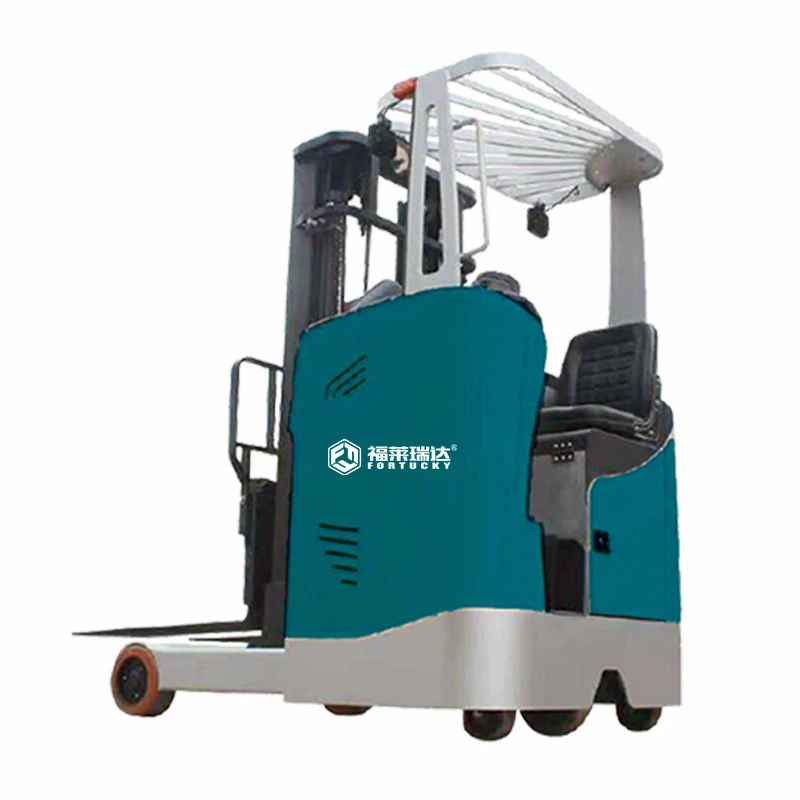
At our company, we offer a range of high - quality forklifts, including Electric Reach Forklift, Ride - on Reach Forklift, and Three - point Electric Forklift. All our forklifts are designed with fire safety in mind. They are equipped with the latest safety features, including overheat protection and fire - resistant materials.
We also provide comprehensive training programs for forklift operators, which include fire safety training. Our goal is to ensure that our customers can operate our forklifts safely and efficiently, minimizing the risk of fires.
If you are in the market for a new forklift or need to upgrade your existing fleet, we encourage you to contact us for a consultation. Our team of experts can help you select the right forklift for your specific needs and provide you with all the information you need to ensure fire safety in your operations.
References
- National Fire Protection Association (NFPA). Forklift Safety Standards.
- Occupational Safety and Health Administration (OSHA). Forklift Safety Guidelines.
- Forklift Manufacturers' Association. Best Practices for Forklift Fire Safety.