

What are the future development trends of palletizing robots?
Aug 05, 2025
Leave a message
Hey there! As a supplier of Palletizing Robots, I've been keeping a close eye on the industry, and I'm super excited to share with you what I think are the future development trends of these amazing machines.
1. Increased Intelligence and Autonomy
One of the biggest trends we're seeing is the move towards more intelligent and autonomous palletizing robots. These days, robots aren't just mindlessly stacking boxes anymore. They're becoming smarter, able to adapt to different situations on the fly.
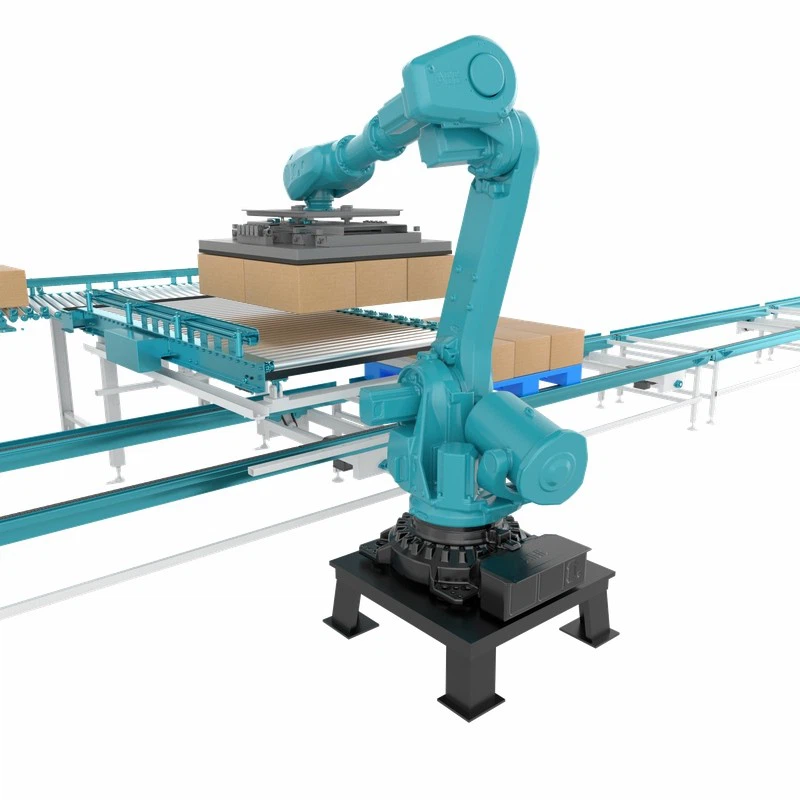
For example, with the help of advanced sensors and machine learning algorithms, palletizing robots can now recognize different types of products, their shapes, and sizes. This means they can adjust their gripping techniques and stacking patterns accordingly. No more one - size - fits - all solutions!
Imagine a warehouse where products come in all sorts of irregular shapes and sizes. A smart palletizing robot can analyze each item as it comes down the conveyor belt and figure out the best way to stack it. This not only increases efficiency but also reduces the risk of damage to the products.
In the future, we can expect these robots to become even more autonomous. They'll be able to make decisions about when to take breaks for maintenance, how to optimize their routes within the warehouse, and even how to interact with other robots and human workers in a collaborative environment.
2. Collaborative Robots (Cobots)
Collaborative robots, or cobots, are another major trend in the palletizing robot industry. Unlike traditional industrial robots that are often kept in cages for safety reasons, cobots are designed to work side - by - side with human workers.
These cobots are equipped with advanced safety features such as force - sensing technology. If they come into contact with a human worker, they can immediately stop or slow down their movement to prevent injury. This makes them ideal for small and medium - sized enterprises (SMEs) that may not have the space or budget for large, fenced - off robotic work areas.
For instance, in a small e - commerce fulfillment center, a cobot can work alongside human pickers. The human worker can pick the products from the shelves, and the cobot can then palletize them. This combination of human dexterity and robotic strength and speed can significantly improve productivity.
As the demand for more flexible and cost - effective automation solutions grows, we'll likely see more cobots being used in palletizing applications. They're easy to program, can be quickly redeployed for different tasks, and are generally more affordable than traditional industrial robots.
3. Integration with IoT and Cloud Computing
The Internet of Things (IoT) and cloud computing are revolutionizing the palletizing robot industry. By connecting robots to the IoT, we can collect a vast amount of data about their performance, such as the number of cycles they've completed, the amount of energy they've consumed, and the quality of their palletizing operations.
This data can then be sent to the cloud for analysis. Using cloud - based analytics tools, we can identify patterns, predict potential failures, and optimize the robot's performance. For example, if the data shows that a particular robot is using more energy than usual, we can investigate the cause and make adjustments to improve its efficiency.
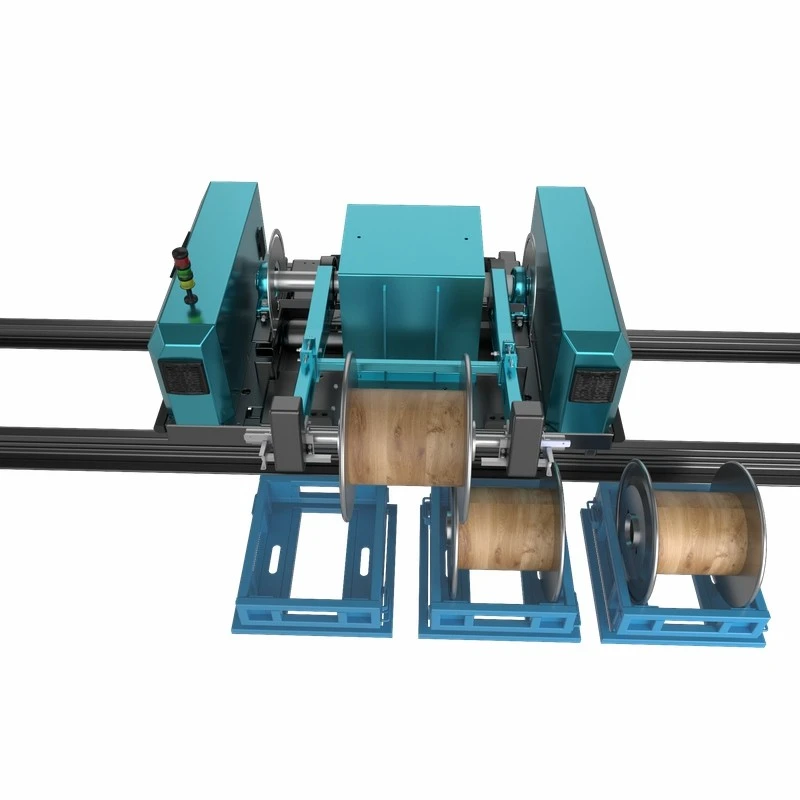
Moreover, IoT integration allows for remote monitoring and control of palletizing robots. Warehouse managers can check the status of their robots from anywhere in the world using a smartphone or a computer. They can also make real - time adjustments to the robot's settings, such as changing the stacking pattern or adjusting the speed.
In the future, we'll see even more seamless integration between palletizing robots, IoT devices, and cloud computing platforms. This will enable more efficient warehouse management, better resource allocation, and improved overall productivity.
4. Customization and Modularity
Customers are increasingly looking for palletizing robots that can be customized to their specific needs. Every business has different product types, pallet sizes, and stacking requirements. That's why we're seeing a trend towards more customizable and modular palletizing robots.
Instead of buying a one - size - fits - all robot, businesses can now choose a base model and then add on different modules depending on their requirements. For example, they can add a special gripper for handling fragile products, or a vision system for better product recognition.
This modular approach not only allows for greater flexibility but also reduces the upfront cost of purchasing a robot. Businesses can start with a basic configuration and then gradually upgrade it as their needs change.
As a supplier, we're constantly working on developing new modules and features to meet the diverse needs of our customers. Whether it's a Swing Arm Robot for a tight - space application or a Cantilever Robot for high - speed palletizing, we want to make sure we have the right solution for everyone.
5. Lightweight and Compact Designs
With the increasing demand for automation in smaller warehouses and production facilities, there's a growing need for lightweight and compact palletizing robots. These robots take up less floor space and are easier to install and relocate.
Lightweight robots are also more energy - efficient, which is a big plus for businesses looking to reduce their operating costs. They can be mounted on walls or ceilings, further saving valuable floor space.
For example, our Palletizing Robot models are designed with a focus on compactness and lightness without sacrificing performance. They can be easily integrated into existing production lines, even in tight spaces.
In the future, we'll likely see more advancements in materials and engineering that will allow for even more lightweight and compact palletizing robots. This will open up new opportunities for automation in industries that were previously unable to afford or accommodate large - scale robotic systems.
6. Environmental Sustainability
Sustainability is becoming a major concern for businesses across all industries, and the palletizing robot industry is no exception. In the future, we'll see more palletizing robots being designed with environmental sustainability in mind.
This includes using energy - efficient motors and components, reducing the amount of waste generated during the manufacturing process, and designing robots that can be easily recycled at the end of their lifespan.
For example, some palletizing robots are now being equipped with regenerative braking systems that can convert the energy generated during braking into electrical energy and feed it back into the power grid. This not only reduces the robot's energy consumption but also helps to lower the overall carbon footprint of the warehouse.
As more businesses look to meet their sustainability goals, the demand for environmentally friendly palletizing robots will continue to grow.
Why Choose Our Palletizing Robots?
If you're in the market for a palletizing robot, you might be wondering why you should choose our products. Well, here are a few reasons:
- Cutting - edge Technology: We're constantly investing in research and development to ensure that our robots are at the forefront of the latest technological trends. Whether it's AI, IoT, or modular design, we've got you covered.
- Customization: We understand that every business is unique, and that's why we offer a high degree of customization. Our team of experts will work with you to design a palletizing solution that meets your specific needs.
- Excellent Customer Support: We believe that our relationship with our customers doesn't end after the sale. We offer comprehensive customer support, including installation, training, and maintenance services.
If you're interested in learning more about our palletizing robots or discussing your specific requirements, don't hesitate to get in touch. We're always happy to have a chat and see how we can help you take your business to the next level with automation.
References
- Robotics Industry Association (RIA) reports on industry trends
- Publications from leading robotics research institutions
- Interviews with industry experts and customers