

What is the load - bearing capacity of plastic flat pallets in static situations?
May 20, 2025
Leave a message
Hey there! As a supplier of plastic flat pallets, I often get asked about the load - bearing capacity of these pallets in static situations. So, I thought I'd take some time to break it down for you.
First off, let's understand what we mean by "static situations." In a static situation, the pallet isn't moving. It's just sitting there, holding a load. This is different from dynamic situations where the pallet might be being moved around by a forklift or other equipment.
Now, the load - bearing capacity of plastic flat pallets can vary quite a bit. It depends on several factors, like the design of the pallet, the type of plastic used, and whether there are any reinforcements.
Design of the Pallet
The design plays a huge role in determining the load - bearing capacity. Some plastic flat pallets have a simple, solid - top design. These are great for lighter loads. They're easy to clean and can be used in a variety of settings, like small warehouses or retail backrooms. You can check out our Plastic Flat Pallet For Warehousing for a good example of this type of design.
On the other hand, there are pallets with a more complex design, like those with ribbed bottoms or internal structures. These pallets are built to handle heavier loads. The ribs or internal structures distribute the weight more evenly across the pallet, preventing it from sagging or breaking under pressure.
Type of Plastic
The type of plastic used in manufacturing the pallet also affects its load - bearing capacity. High - density polyethylene (HDPE) is a popular choice. It's strong, durable, and resistant to chemicals. Pallets made from HDPE can typically handle heavier loads compared to those made from lower - grade plastics.
Another option is polypropylene (PP). PP is lightweight but still has good strength properties. It's often used in pallets that need to be both strong and relatively light, like those used in the food and beverage industry.
Reinforcements
Some plastic flat pallets come with reinforcements, such as Steel Plates. These steel plates can be added to the top or bottom of the pallet to increase its load - bearing capacity. They're especially useful when you need to stack heavy items on the pallet or when the pallet will be subjected to a lot of stress.
Now, let's talk numbers. In general, the load - bearing capacity of a basic plastic flat pallet in a static situation can range from around 500 kilograms to 2000 kilograms. However, pallets with special designs and reinforcements can handle even more.
For example, a simple, single - use plastic flat pallet might have a static load - bearing capacity of around 500 - 800 kilograms. This is suitable for storing lightweight items like cardboard boxes or small consumer goods.

On the other hand, a heavy - duty plastic flat pallet with steel reinforcements could have a static load - bearing capacity of 2000 kilograms or more. These pallets are commonly used in industries like automotive or heavy manufacturing, where they need to support large, heavy parts.
It's important to note that when you're using plastic flat pallets, you should always follow the manufacturer's guidelines regarding load - bearing capacity. Overloading a pallet can not only damage the pallet itself but also pose a safety risk.
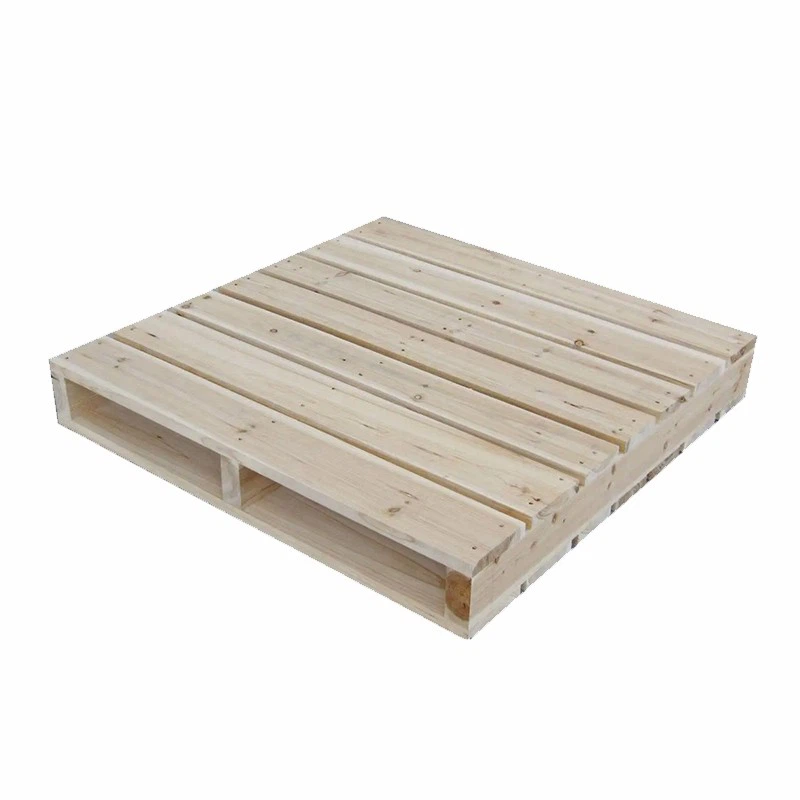
Comparing plastic flat pallets to Wooden Pallets, plastic pallets often have a more consistent load - bearing capacity. Wooden pallets can vary in strength depending on the type of wood, the quality of construction, and whether they've been damaged or treated. Plastic pallets, on the other hand, are manufactured to strict standards, so you can have more confidence in their performance.
When you're choosing a plastic flat pallet for your business, you need to consider your specific needs. Think about the weight of the items you'll be storing or transporting, the stacking height, and the environment in which the pallet will be used.
If you're dealing with light to medium - weight loads in a clean, dry warehouse, a basic plastic flat pallet might be all you need. But if you're in an industry where you need to handle heavy, bulky items, you'll want to invest in a high - capacity, reinforced pallet.
We've seen many businesses switch from wooden pallets to plastic flat pallets because of their better load - bearing capabilities, durability, and ease of maintenance. Plastic pallets are also more hygienic, which is a big plus in industries like food and pharmaceuticals.
In conclusion, the load - bearing capacity of plastic flat pallets in static situations can vary widely based on design, plastic type, and reinforcements. By understanding these factors, you can make an informed decision about which pallet is right for your business.
If you're interested in learning more about our plastic flat pallets or have questions about load - bearing capacity, we'd love to hear from you. Feel free to reach out to start a conversation about your specific requirements. Whether you're a small business looking for a cost - effective solution or a large corporation in need of heavy - duty pallets, we've got you covered.
References
- "Pallet Design and Load Capacity: A Technical Overview" by Industrial Pallet Association
- "Plastic Materials for Pallet Manufacturing" by Polymer Science Journal
- "Comparative Study of Wooden and Plastic Pallets in Industrial Applications" by Logistics Research Institute