

What is the operator's visibility in a forklift?
Jun 11, 2025
Leave a message
What is the operator's visibility in a forklift?
Hey there! I'm part of a forklift supplier, and I've been in this business long enough to know that operator visibility in a forklift is a super crucial topic. Let's dig into what it really means and why it matters so much.
First off, what do we mean by operator visibility in a forklift? Well, it's all about how well the forklift operator can see their surroundings while they're driving and operating the machine. This includes seeing in front, to the sides, and even sometimes behind the forklift. Good visibility is like having a clear view of the road when you're driving a car – it helps you avoid accidents and get the job done safely and efficiently.
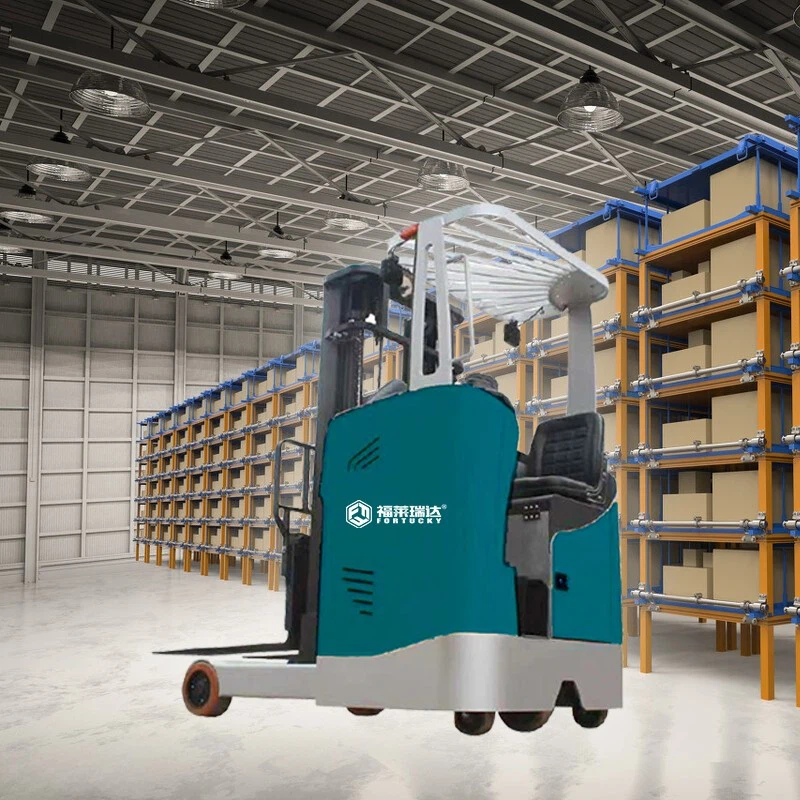

There are a few key factors that affect operator visibility in a forklift. One of the biggest ones is the design of the forklift itself. For example, the mast, which is the vertical part of the forklift that raises and lowers the forks, can sometimes block the operator's view. Some forklifts are designed with a wider or more complex mast, which can make it harder for the operator to see what's in front of them. On the other hand, there are forklifts that have a more streamlined mast design, which can improve visibility.
Another factor is the location of the operator's seat and controls. If the seat is positioned in a way that restricts the operator's field of vision, or if the controls are in a place that makes it difficult to look around, then visibility will be affected. A well - designed forklift will have the seat and controls arranged in a way that allows the operator to have a good view of the working area.
The type of forklift also plays a role. Let's take a look at some different types of forklifts and how their visibility might vary.
The Ride-on Reach Forklift is a popular choice in many warehouses. These forklifts are designed to reach into high racks to pick up and place loads. The visibility in a ride - on reach forklift can be a bit tricky. Since they're often used in narrow aisles, the operator needs to have a clear view of the racks and the load. However, the structure of the reach mechanism can sometimes block the view, especially when the forks are extended. Manufacturers are constantly working on improving the design of these forklifts to enhance visibility, such as using thinner reach arms or adding mirrors to give the operator a better view of the sides.
Then there's the Three-point Electric Forklift. These forklifts are known for their maneuverability, which is great for tight spaces. They usually have a smaller turning radius, which is useful in warehouses with limited space. In terms of visibility, they generally offer a good view in front because of their relatively simple design. However, the rear visibility might be a bit limited, especially if there are no additional mirrors or cameras installed.
The Electric Reach Forklift is similar to the ride - on reach forklift but is often more electric - powered. Electric reach forklifts are becoming more popular due to their environmental friendliness and lower operating costs. When it comes to visibility, they face similar challenges as the ride - on reach forklift. The reach mechanism can obstruct the view, but modern models are coming with features like improved glass areas in the cabin and better - placed mirrors to help the operator see better.
Now, why is operator visibility so important? Well, safety is the number one reason. When an operator can't see clearly, they're more likely to have accidents. They might hit other objects in the warehouse, like racks or other forklifts. They could also run into pedestrians if they can't see them. These accidents can not only cause damage to the forklift and the surrounding equipment but can also result in serious injuries to the operator or other workers.
In addition to safety, good visibility also improves productivity. An operator who can see clearly can work more efficiently. They can quickly locate the loads they need to pick up, place them in the right position, and move around the warehouse without wasting time trying to figure out where they're going. This means that the overall operations in the warehouse can run more smoothly, and more work can be done in less time.
So, as a forklift supplier, we're always looking for ways to improve operator visibility in our forklifts. We work closely with manufacturers to ensure that the forklifts we offer have the best possible visibility features. This might include things like installing larger windows, adding extra mirrors, or using advanced camera systems.
Camera systems are becoming more and more popular in forklifts. These systems can provide a real - time view of the areas around the forklift that are difficult for the operator to see directly. For example, a rear - view camera can help the operator see what's behind them when they're backing up, which is a common cause of accidents in warehouses.
Mirrors are also a simple but effective way to improve visibility. They can be placed on the sides and rear of the forklift to give the operator a wider field of vision. Some forklifts even have adjustable mirrors so that the operator can customize their view depending on the situation.
If you're in the market for a forklift, I highly recommend paying close attention to the visibility features. Look at the design of the mast, the position of the seat, and whether there are any additional visibility aids like cameras or mirrors. Don't just focus on the price or the lifting capacity – good visibility can save you a lot of headaches in the long run.
At our company, we have a wide range of forklifts with different visibility features to suit your specific needs. Whether you need a forklift for a small warehouse or a large distribution center, we can help you find the right one.
If you're interested in learning more about our forklifts or have any questions about operator visibility, feel free to get in touch with us. We're always happy to have a chat and help you make the best decision for your business. Contact us today to start the procurement and negotiation process, and let's work together to find the perfect forklift for your operations.
References
- Forklift Safety Guidelines, Occupational Safety and Health Administration (OSHA)
- Warehouse Equipment and Operations Handbook, Industry Publications Inc.