

Can rail guided vehicles operate outdoors?
Nov 17, 2025
Leave a message
As a supplier of rail guided vehicles (RGVs), I often get asked whether these nifty machines can operate outdoors. It's a valid question, especially considering the different conditions that outdoor environments can throw at us. So, let's dive right in and explore this topic.
First off, what are RGVs? For those who aren't familiar, rail guided vehicles are automated transport systems that run on fixed rails. They're used in various industries to move goods, materials, or products from one place to another. They're super efficient, reliable, and can be customized to fit different needs. We offer a range of RGVs, including the Double Station Rail Guided Vehicle, Heavy-duty Rail Guided Vehicle, and Pallet Rail Guided Vehicle.
Now, back to the main question: Can RGVs operate outdoors? The short answer is yes, but it's not as simple as just taking an indoor RGV and plopping it outside. There are several factors to consider before making that decision.
Environmental Conditions
One of the biggest challenges of outdoor operation is dealing with the elements. Rain, snow, extreme temperatures, and sunlight can all have an impact on the performance and lifespan of an RGV.
- Weather: Moisture is the enemy of most electronic and mechanical components. Rain and snow can cause corrosion, short circuits, and other issues if the RGV isn't properly protected. That's why we design our outdoor RGVs with waterproof enclosures and sealed electrical connections. We also use corrosion-resistant materials for the frame and other exposed parts.
- Temperature: Extreme heat or cold can affect the battery life, motor performance, and other critical systems of an RGV. In hot climates, the battery may overheat and lose its capacity, while in cold climates, the lubricants may thicken and cause the moving parts to seize up. To combat these issues, we equip our outdoor RGVs with temperature control systems, such as heaters and coolers, to keep the components within their optimal operating range.
- Sunlight: Prolonged exposure to sunlight can cause the plastic and rubber parts of an RGV to degrade over time. UV rays can also fade the paint and markings on the vehicle, making it harder to read the labels and instructions. To protect against sunlight damage, we use UV-resistant materials and coatings on our outdoor RGVs.
Surface Conditions
Another important factor to consider is the surface on which the RGV will operate. Outdoor surfaces can be uneven, rough, or slippery, which can affect the stability and traction of the vehicle.
- Uneven Ground: Unlike indoor floors, outdoor surfaces may have bumps, potholes, and slopes. These irregularities can cause the RGV to vibrate, shake, or even tip over if it's not designed to handle them. That's why we design our outdoor RGVs with robust suspension systems and large, durable wheels to ensure a smooth and stable ride.
- Rough Surfaces: Gravel, dirt, and other rough surfaces can cause excessive wear and tear on the wheels and other moving parts of an RGV. To reduce the friction and damage, we use high-quality tires with deep treads and low rolling resistance. We also recommend regular maintenance and inspection to ensure that the wheels and other components are in good condition.
- Slippery Surfaces: Rain, snow, and ice can make outdoor surfaces slippery, which can affect the traction and braking performance of an RGV. To prevent accidents, we equip our outdoor RGVs with anti-slip tires and advanced braking systems. We also recommend using caution and reducing the speed of the RGV when operating on slippery surfaces.
Safety Considerations
Safety is always a top priority when it comes to operating any type of vehicle, especially outdoors. There are several safety features and precautions that need to be in place to ensure the well-being of the operators and other people in the area.
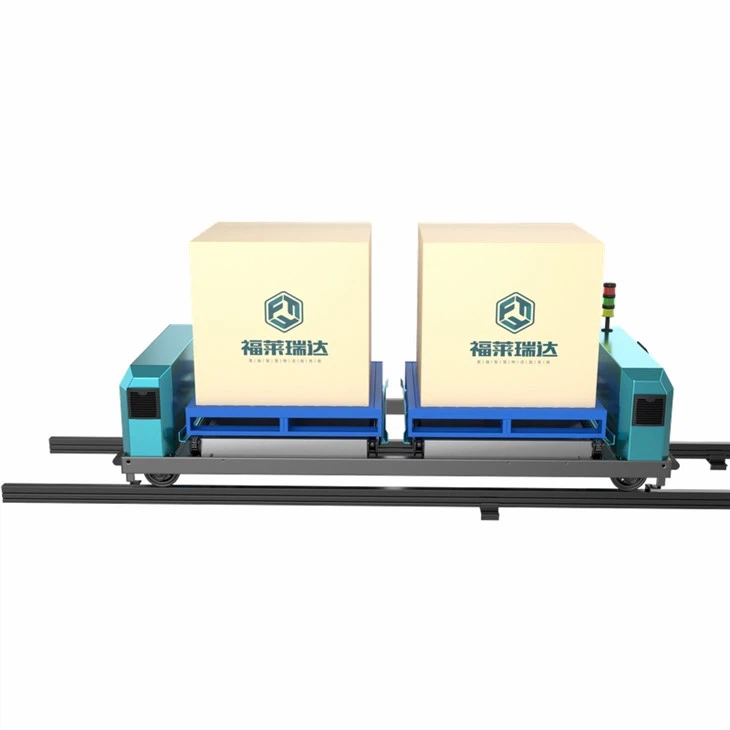
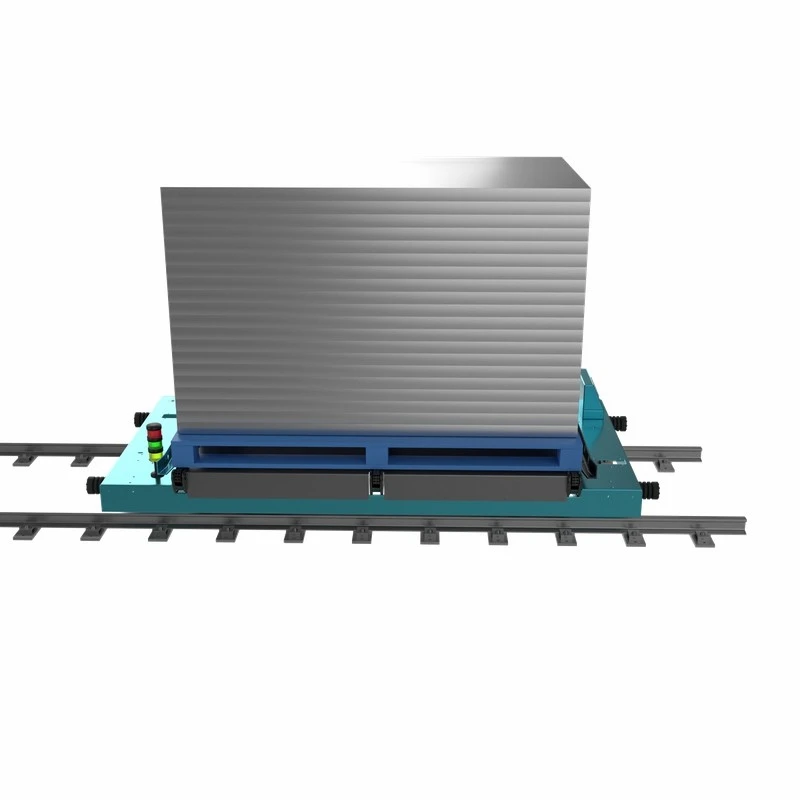
- Collision Avoidance: Outdoor environments are often more crowded and unpredictable than indoor environments. There may be pedestrians, vehicles, and other obstacles in the path of the RGV. To prevent collisions, we equip our outdoor RGVs with sensors, such as lasers, cameras, and ultrasonic detectors, to detect and avoid obstacles in real-time. We also use advanced algorithms and control systems to ensure that the RGV can navigate safely around the obstacles.
- Emergency Stop: In case of an emergency, it's important to have a way to stop the RGV immediately. That's why we install emergency stop buttons on our outdoor RGVs, which can be easily accessed by the operators. We also provide training and instructions on how to use the emergency stop buttons properly.
- Visibility: Outdoor RGVs need to be visible to other people in the area, especially in low-light conditions. That's why we equip our outdoor RGVs with bright LED lights, reflectors, and warning signs. We also recommend using high-visibility clothing and safety equipment for the operators.
Installation and Maintenance
Installing and maintaining an outdoor RGV requires more effort and resources than an indoor RGV. There are several steps involved in the installation process, and regular maintenance is essential to ensure the long-term performance and reliability of the vehicle.
- Installation: The installation of an outdoor RGV involves laying the rails, installing the power supply, and connecting the control systems. It's important to ensure that the rails are level, straight, and securely anchored to the ground. The power supply needs to be properly grounded and protected from the elements. The control systems need to be calibrated and tested to ensure that the RGV operates smoothly and safely.
- Maintenance: Regular maintenance is crucial to keep an outdoor RGV in good condition. This includes cleaning the vehicle, checking the battery, lubricating the moving parts, and inspecting the electrical and mechanical components for any signs of wear or damage. We recommend following the manufacturer's maintenance schedule and using only genuine parts and accessories.
Benefits of Outdoor RGVs
Despite the challenges and considerations, there are several benefits to using RGVs outdoors.
- Increased Efficiency: Outdoor RGVs can help to streamline the material handling process and reduce the time and labor required to move goods and materials. They can operate 24/7, which means that they can keep up with the demands of a busy outdoor environment.
- Improved Safety: By automating the material handling process, outdoor RGVs can reduce the risk of accidents and injuries caused by human error. They can also operate in hazardous or difficult-to-reach areas, which can improve the safety of the operators.
- Cost Savings: In the long run, using outdoor RGVs can save money on labor, maintenance, and energy costs. They require less human intervention and can operate more efficiently than traditional material handling methods.
Conclusion
So, to sum it up, yes, RGVs can operate outdoors, but it requires careful planning, design, and maintenance. At our company, we have the expertise and experience to provide you with high-quality outdoor RGVs that are designed to meet your specific needs and requirements. Whether you need a Double Station Rail Guided Vehicle, Heavy-duty Rail Guided Vehicle, or Pallet Rail Guided Vehicle, we can help you find the right solution for your outdoor material handling needs.
If you're interested in learning more about our outdoor RGVs or have any questions about outdoor operation, please don't hesitate to contact us. We'd be happy to discuss your requirements and provide you with a free consultation. Let's work together to take your outdoor material handling to the next level!
References
- "Automated Guided Vehicle Systems: Technology, Design, and Applications" by David A. Bickel
- "Material Handling Handbook" by the Material Handling Institute of America