

How to train a forklift operator?
May 14, 2025
Leave a message
Hey there! As a forklift supplier, I've seen firsthand how crucial it is to have well - trained forklift operators. A skilled operator not only boosts productivity but also ensures a safe working environment. So, let's dive into how you can train a forklift operator effectively.
Pre - training Preparation
Before you start the actual training, there are a few things you need to take care of. First off, make sure the potential operator meets the basic requirements. In most places, an operator has to be at least 18 years old. They should also have good eyesight and hearing, as these senses are super important for operating a forklift safely.
You'll also want to gather all the necessary training materials. This includes the forklift's operator manual, safety guides, and any training videos or handouts. At our company, we offer detailed manuals for all our models, like the [Ride - on Reach Forklift](/forklift/ride - on - reach - forklift.html), [Three - point Electric Forklift](/forklift/three - point - electric - forklift.html), and [Electric Reach Forklift](/forklift/electric - reach - forklift.html). These manuals are packed with useful info about the forklift's features, controls, and maintenance.
Classroom Training
The first phase of training is usually classroom - based. This is where the operator will learn the theory behind forklift operation. You can start by giving an overview of the different types of forklifts and their uses. For example, a reach forklift is great for narrow aisles, while a counterbalance forklift is better for outdoor use.

Go over the safety regulations and standards. Explain things like the importance of wearing a seatbelt, using the horn when approaching intersections, and keeping a safe distance from other vehicles and pedestrians. You can also use real - life accident cases to illustrate the consequences of not following safety rules.

Teach the operator about the forklift's controls. Show them how to start and stop the forklift, how to use the lift and tilt functions, and how to operate the steering wheel. It's a good idea to have a mock - up of the forklift controls in the classroom so the operator can practice hands - on.
Practical Training
After the classroom training, it's time for the hands - on part. This is where the operator will get behind the wheel of a real forklift and start practicing. Begin with some basic maneuvers in an open, empty area. Teach the operator how to drive forward and backward, turn left and right, and park the forklift.
Once they're comfortable with the basic driving, you can move on to more advanced tasks. For example, show them how to pick up and stack pallets. Teach them the correct way to approach a pallet, how to position the forks, and how to lift and lower the load safely. Make sure they understand the importance of keeping the load balanced and stable.
Practice different scenarios, such as driving on uneven surfaces, navigating through narrow spaces, and working in low - light conditions. This will help the operator develop the skills and confidence they need to handle real - world situations.
Evaluating the Operator
Throughout the training process, it's important to evaluate the operator's progress. You can do this through written tests, practical demonstrations, and on - the - job observations. Make sure the operator understands all the safety rules and can operate the forklift safely and efficiently.
At the end of the training, give the operator a final evaluation. If they pass, they're ready to start working as a forklift operator. If they don't pass, you may need to provide additional training or address any areas where they're struggling.
Ongoing Training and Support
Training doesn't end once the operator gets their certification. It's important to provide ongoing training and support to keep the operator's skills up - to - date. This can include refresher courses, safety seminars, and on - the - job coaching.
As a forklift supplier, we also offer technical support to our customers. If an operator has any questions or problems with the forklift, they can contact our support team for help. We also keep our customers informed about any new features or safety updates for our forklifts.
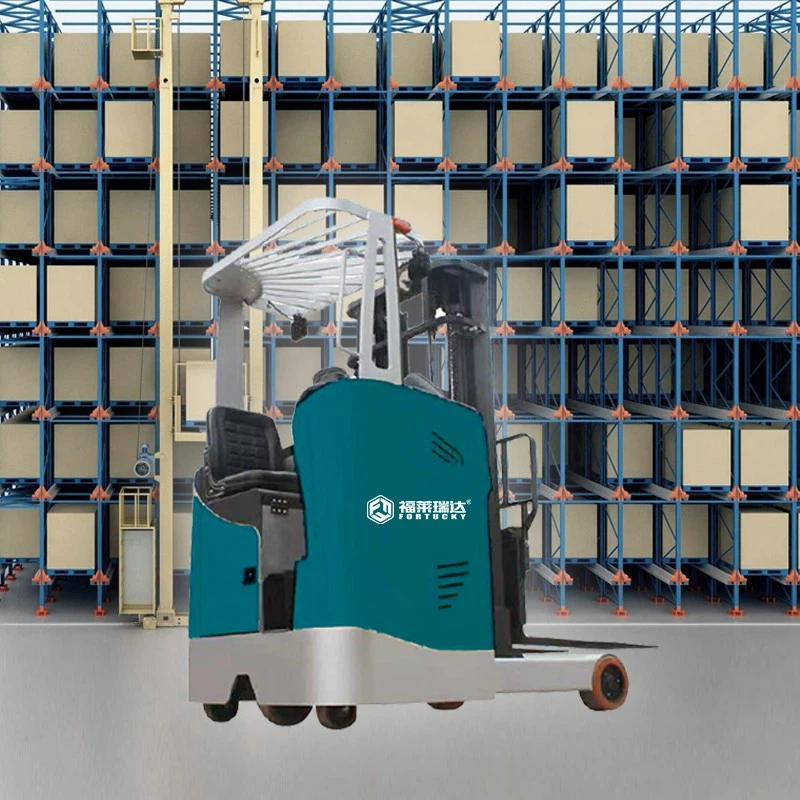
Why Choose Our Forklifts for Training
When it comes to training a forklift operator, the type of forklift you use matters. Our forklifts are designed with safety and ease of use in mind. They have intuitive controls that are easy for new operators to learn. For example, the [Three - point Electric Forklift](/forklift/three - point - electric - forklift.html) has a simple steering system that makes it easy to maneuver in tight spaces.
Our forklifts are also built to last. They're made with high - quality materials and undergo rigorous testing to ensure they can withstand the demands of a busy warehouse or construction site. This means less downtime for maintenance and more time for training and operation.
In addition, our forklifts come with a range of safety features. These include seatbelt alarms, anti - tip devices, and visibility enhancements. These features not only protect the operator but also make the training process safer and more effective.
Contact Us for Training and Procurement
If you're interested in training your forklift operators or purchasing a forklift from us, we'd love to hear from you. Our team of experts can help you choose the right forklift for your needs and provide you with all the training and support you need. Whether you're looking for a [Ride - on Reach Forklift](/forklift/ride - on - reach - forklift.html), [Three - point Electric Forklift](/forklift/three - point - electric - forklift.html), or [Electric Reach Forklift](/forklift/electric - reach - forklift.html), we've got you covered. Don't hesitate to reach out and start the conversation about how we can help you improve your operations.
References
- Occupational Safety and Health Administration (OSHA). Forklift Training Standards.
- Forklift Manufacturer's Operator Manuals.