

What backup power options are available for continuous elevators?
May 15, 2025
Leave a message
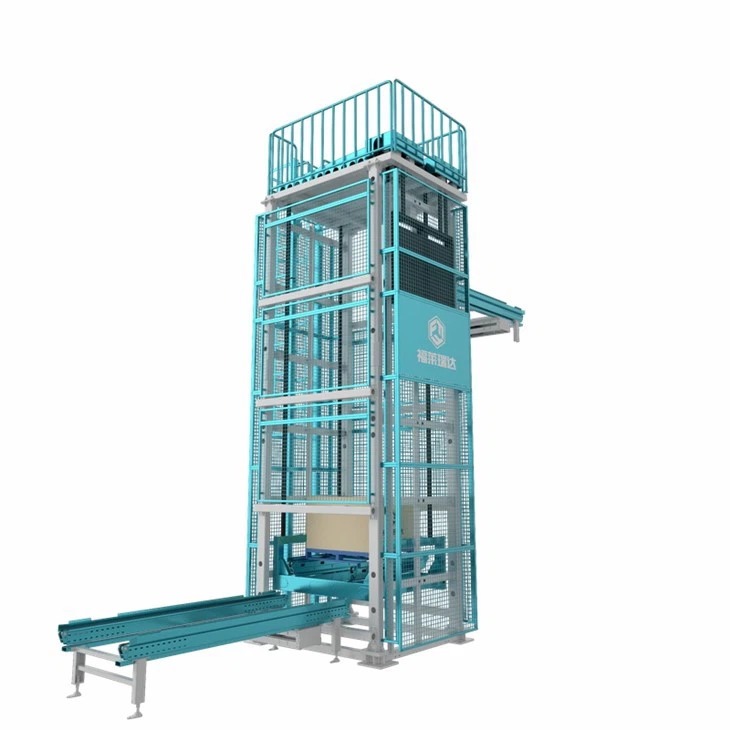
Hey there! I'm a supplier of Continuous Elevator, and today I wanna chat about backup power options for continuous elevators. These elevators are super important in many industrial and commercial settings, moving stuff up and down non - stop. But what happens when the main power goes out? That's where backup power comes in.
Why Backup Power is a Must
First off, let's talk about why backup power is crucial for continuous elevators. In industries like manufacturing, warehousing, and logistics, continuous elevators are often the heart of the operation. When the power cuts out, not only does the production come to a halt, but there can also be safety risks. For example, if an elevator is in the middle of a lift and the power fails, the load could get stuck, and there might be a risk of it falling. So, having a reliable backup power source ensures that the elevator can either complete its current cycle safely or be moved to a safe position.
Types of Backup Power Options
1. Uninterruptible Power Supply (UPS)
UPS systems are a popular choice for backup power. They're like a short - term power buffer. When the main power fails, a UPS kicks in almost instantly, usually within milliseconds. This is great for continuous elevators because it gives you enough time to either shut down the elevator safely or complete the current lift cycle.
The way a UPS works is pretty simple. It stores electrical energy in batteries. During normal operation, the UPS is constantly charging these batteries. When the power goes out, the batteries discharge and supply power to the elevator. However, the downside is that the backup time of a UPS is limited. It can usually only keep the elevator running for a few minutes to maybe half an hour, depending on the size of the UPS and the power requirements of the elevator.
2. Generator Sets
Generator sets are another common backup power option. There are different types of generators, like diesel generators, natural gas generators, and propane generators.
Diesel generators are quite popular because they're powerful and can run for a long time. They have a high energy density, which means they can produce a lot of power from a relatively small amount of fuel. For continuous elevators in large industrial facilities, diesel generators can be a great choice. They can keep the elevator running for hours or even days if there's enough fuel.
Natural gas generators are also a good option, especially in areas where natural gas is readily available. They're cleaner - burning than diesel generators, which is better for the environment. Plus, they're often quieter. Propane generators are similar to natural gas generators but use propane as the fuel source. They're more portable and can be a good option for smaller facilities or in areas where natural gas isn't accessible.
The drawback of generator sets is that they take a bit of time to start up. It usually takes a few seconds to a minute for a generator to reach its full operating speed and start supplying power. So, in some cases, you might still need a UPS as a bridge to cover the time until the generator kicks in.

3. Flywheel Energy Storage Systems
Flywheel energy storage systems are a bit more high - tech. They work by storing energy in a spinning flywheel. When the main power is on, an electric motor spins the flywheel up to a high speed, storing kinetic energy. When the power fails, the flywheel's kinetic energy is converted back into electrical energy and supplied to the elevator.
The advantage of flywheel energy storage systems is that they can provide power almost as quickly as a UPS. They also have a long lifespan and require less maintenance compared to batteries. However, they're more expensive to install, and their energy storage capacity is usually limited. So, they're often used in combination with other backup power sources.
Factors to Consider When Choosing a Backup Power Option
1. Power Requirements
The first thing you need to consider is the power requirements of your continuous elevator. Different elevators have different power needs depending on their size, the weight of the load they carry, and their operating speed. You need to make sure that the backup power source you choose can supply enough power to run the elevator.

2. Backup Time
How long do you need the elevator to run on backup power? If it's just for a short time to complete a cycle or move the load to a safe position, a UPS or a flywheel energy storage system might be enough. But if you need the elevator to run for hours during a power outage, a generator set is probably a better choice.
3. Cost
Cost is always a factor. UPS systems are relatively inexpensive to install but might need battery replacements over time. Generator sets can be more expensive upfront, especially if you need a large - capacity one. Flywheel energy storage systems are also on the pricier side. You need to balance the initial cost with the long - term benefits and your budget.
4. Maintenance
Different backup power sources have different maintenance requirements. Batteries in a UPS need to be checked and replaced periodically. Generator sets need regular servicing, including oil changes and filter replacements. Flywheel energy storage systems generally require less maintenance but still need to be inspected regularly.
Making the Right Choice for Your Continuous Elevator
As a Continuous Elevator supplier, I've seen all sorts of situations where the right backup power option made a huge difference. If you're in a small warehouse and just need a quick fix for a power outage, a UPS might be the way to go. But if you're running a large - scale manufacturing plant where downtime can cost you a fortune, a combination of a UPS and a generator set could be the best solution.
Let's say you have a Screw Elevator or a Reciprocating Elevator in addition to your continuous elevator. The backup power system you choose should be able to handle the power needs of all your elevators.
Time to Take Action
If you're in the market for a continuous elevator or need to upgrade your backup power system, don't hesitate to reach out. We're here to help you figure out the best backup power option for your specific needs. Whether it's a UPS, a generator set, or a flywheel energy storage system, we can guide you through the process.
Contact us to start the conversation about how we can make your elevator operation more reliable and efficient. Let's work together to keep your business moving, even when the power goes out.
References
- "Elevator Technology Handbook"
- Industry reports on backup power solutions for industrial equipment