

What is a continuous elevator?
Jan 01, 2026
Leave a message
A continuous elevator, also known as a continuous bucket elevator, is a type of vertical conveying equipment widely used in various industries for the efficient transportation of bulk materials. As a supplier of continuous elevators, I am excited to share in - depth knowledge about this remarkable piece of machinery in this blog.
Basic Concept and Working Principle
A continuous elevator operates on a simple yet effective principle. It consists of a series of buckets attached to a chain or belt that moves continuously in a loop. The buckets pick up the bulk material from the inlet point at the bottom and carry it upwards along the vertical path until they reach the discharge point at the top. The continuous movement of the buckets ensures a steady flow of material, which is a significant advantage over some other types of elevators.

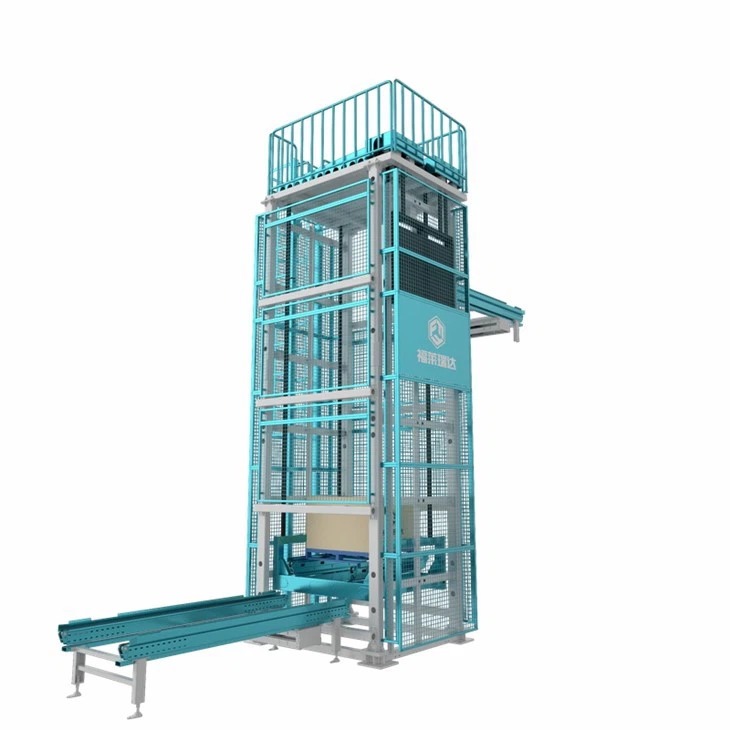
In contrast to the Reciprocating Elevator, which moves in a back - and - forth motion, the continuous elevator provides a non - stop, smooth operation. This continuous flow of the conveying process allows for a higher throughput rate. For example, in a large - scale grain processing plant, a continuous elevator can transfer a significant amount of grain from the storage area to the processing units without interruption, enabling a more efficient overall production process.
Components of a Continuous Elevator
The main components of a continuous elevator include the buckets, the driving unit, the chain or belt, and the housing.
- Buckets: The buckets are the key part responsible for carrying the materials. They come in various shapes and sizes, which are designed according to the specific characteristics of the materials to be conveyed. For light and fine - grained materials, smaller, shallower buckets might be sufficient. While for heavier and coarser materials, larger and deeper buckets are required to ensure proper handling.
- Driving Unit: The driving unit is the power source of the continuous elevator. It usually consists of an electric motor and a gearbox. The motor provides the rotational power, and the gearbox adjusts the speed and torque to match the requirements of the elevator. A well - designed driving unit ensures stable operation and energy - efficient performance of the elevator.
- Chain or Belt: The chain or belt serves as the medium to connect the buckets and transmit the power. Chains are commonly used for heavy - duty applications due to their high strength and durability. Belts, on the other hand, are suitable for lighter loads and offer smoother operation with less noise.
- Housing: The housing encloses the entire elevator system, protecting it from external factors such as dust, moisture, and debris. It also provides a safe working environment for operators. The housing is often made of steel or other robust materials to ensure long - term reliability.
Advantages of Continuous Elevators
There are several notable advantages that make continuous elevators a popular choice in many industries:
- High Efficiency: As mentioned earlier, the continuous movement of the buckets allows for a high throughput of materials. This means that a large quantity of bulk materials can be transferred in a relatively short period. For industries dealing with a high volume of raw materials, such as the mining and cement industries, this efficiency can significantly increase productivity.
- Low Energy Consumption: Due to their continuous and smooth operation, continuous elevators generally consume less energy compared to some intermittent - moving elevators. The constant flow of materials reduces the start - stop cycles, which are often energy - intensive. This energy - saving feature not only helps to cut down on operating costs but also aligns with environmental sustainability goals.
- Gentle Material Handling: The design of continuous elevators ensures gentle handling of materials. The buckets gradually fill and discharge the materials, minimizing the impact and damage to the particles. This is particularly important for fragile materials, such as food products and pharmaceuticals, where integrity needs to be maintained during the conveying process.
Applications of Continuous Elevators
Continuous elevators find applications in a wide range of industries:
- Agriculture: In the agricultural sector, continuous elevators are used to transport grains, seeds, and fertilizers. They can move these materials from storage silos to processing equipment or from the field to storage facilities. This helps farmers and agribusinesses to streamline their operations and increase efficiency.
- Food Processing: The food industry requires strict hygiene standards and gentle material handling. Continuous elevators are suitable for conveying food products such as flour, sugar, and rice. Their enclosed design and gentle handling prevent contamination and damage to the food items.
- Mining and Minerals: In the mining industry, continuous elevators are employed to transport ore, coal, and other minerals from underground mines or open - pit mines to the surface processing plants. Their high throughput capacity and durability make them well - suited for the harsh operating conditions in mining.
Comparison with Screw Elevators
Another common type of vertical conveying equipment is the Screw Elevator. While screw elevators have their own advantages, continuous elevators have some distinct differences:
- Conveying Capacity: Continuous elevators generally have a higher conveying capacity than screw elevators. The continuous movement of the buckets allows for a larger volume of materials to be transported per unit of time, making them more suitable for large - scale applications.
- Material Suitability: Screw elevators are better at handling some sticky or viscous materials. However, continuous elevators are more flexible in handling a wider variety of materials, including dry, free - flowing, and even relatively coarse materials.
- Maintenance Requirements: Continuous elevators typically have simpler maintenance requirements compared to screw elevators. Screw elevators may require more frequent inspection and replacement of the screw blades due to wear and tear, while continuous elevators mainly need regular checks of the buckets, chains or belts, and the driving unit.
As a Continuous Elevator Supplier
As a supplier of Continuous Elevator, we are committed to providing high - quality products and excellent services. Our continuous elevators are designed and manufactured with strict quality control measures to ensure reliable performance and long - term durability.
We understand that each customer has unique requirements. Therefore, we offer customized solutions to meet different needs. Whether it is the size of the elevator, the type of buckets, or the specific application environment, our professional engineering team can work with you to design the most suitable continuous elevator for your project.
Moreover, we provide comprehensive after - sales services, including installation guidance, maintenance training, and spare parts supply. Our goal is to ensure that your continuous elevator operates smoothly throughout its service life.
Contact for Purchase and Negotiation
If you are interested in our continuous elevators or have any questions about the product, we welcome you to contact us for further discussion. We are eager to understand your specific needs and provide you with the best possible solutions. Together, we can make your material conveying process more efficient and cost - effective.
References
- "Handbook of Bulk Solids Handling and Transportation", Wiley - VCH Verlag GmbH & Co. KGaA.
- "Elevator Systems: Design, Installation, and Maintenance", McGraw - Hill Professional.